 Shuangye ebike

If you’re considering an electric bike, one of the most important questions to ask is: “How long does an e-bike last?” While the lifespan of an e-bike varies, a good-quality, well-maintained ebike can typically last 5 to 10 years, sometimes even longer. Several factors impact e-bike longevity, including frame strength, battery lifespan, motor durability, and overall component quality. Just as important is routine maintenance. Neglecting an ebike battery, motor, or drivetrain can lead to premature wear, reduced performance, and costly repairs. Below, we’ll explore these factors in detail to give you a comprehensive understanding of how long e-bikes can last and what steps you can take to maximize their lifespan.
1. Battery Life: The Heart of Your electric e-bike
The battery is arguably the most critical component of an e-bike. It powers the motor, enabling riders to travel longer distances with less effort. Most modern e-bikes use lithium-ion batteries due to their high energy density, lightweight nature, and relatively long lifespan. However, like all rechargeable batteries, they degrade over time.
Charge Cycles
A charge cycle refers to the process of fully charging and discharging a battery. Most lithium-ion batteries found in e-bikes have a lifespan of approximately 300 to 1,000 charge cycles. This means that after this many cycles, the battery’s capacity will drop significantly—typically to around 70-80% of its original capacity. For example, if your e-bike has a range of 50 miles per full charge, after reaching the end of its charge cycle limit, the range might decrease to about 35-40 miles.
Estimated Lifespan
In practical terms, a typical e-bike battery could last anywhere from 3 to 5 years under regular use. If you ride your e-bike daily for commuting purposes, covering roughly 20-30 miles per day, you might go through 200-300 charge cycles per year. At this rate, the battery could last about 3-5 years before needing replacement. On the other hand, if you use your e-bike less frequently, such as for weekend rides or occasional commutes, the battery could last closer to 5-7 years.
Factors Affecting Battery Longevity
Several factors can affect the lifespan of an e-bike battery:
- Temperature: Extreme temperatures, both hot and cold, can accelerate battery degradation. Lithium-ion batteries perform best within a temperature range of 20°C to 30°C (68°F to 86°F). Storing your e-bike in a garage or shed where temperatures fluctuate can shorten the battery’s life.
- Depth of Discharge: Regularly draining the battery completely before recharging can reduce its overall lifespan. It’s generally recommended to keep the battery between 20% and 80% charged whenever possible.
- Charging Practices: Overcharging or leaving the battery plugged in for extended periods can also lead to premature wear. Many modern e-bikes come with smart chargers that automatically stop charging once the battery is full, but it’s still a good idea to unplug the charger once the battery is fully charged.
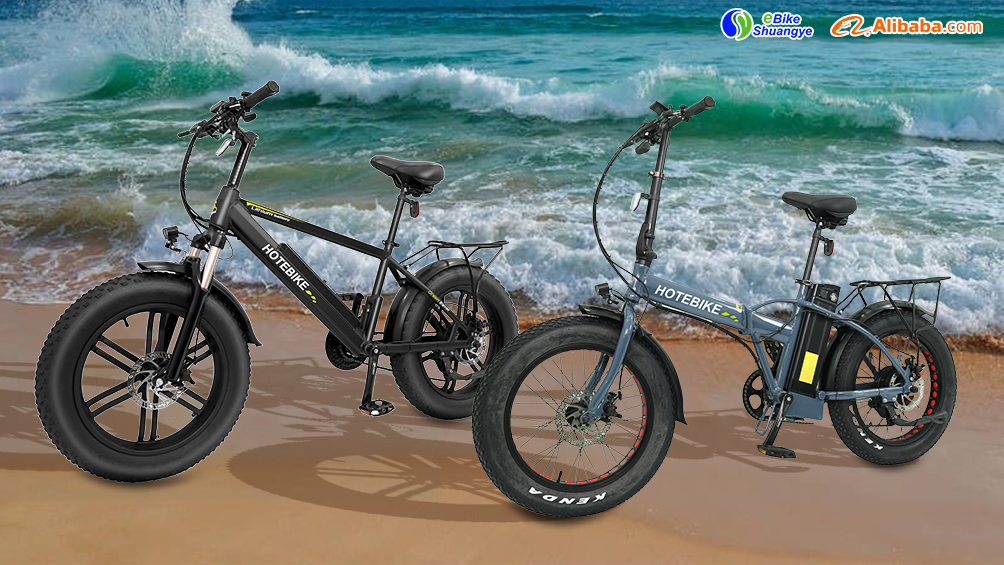 2. Frame Durability: The Backbone of Your E-bike Electric
The frame of an e-bike is another critical component that affects its overall lifespan. Unlike traditional bicycles, e-bikes are designed to handle the additional weight and stress of the motor and battery. As a result, e-bike frames are typically made from stronger materials such as aluminum, steel, carbon fiber, or even titanium.
Material Strength
- Aluminum Frames: Aluminum is the most common material used in e-bike frames due to its lightweight nature and corrosion resistance. While not as strong as steel, aluminum frames are durable enough for most riders and can last for many years with proper care.
- Steel Frames: Steel frames are heavier but offer superior strength and durability. They are less prone to cracks and can withstand more abuse than aluminum frames. However, steel is susceptible to rust if not properly maintained.
- Carbon Fiber Frames: Carbon fiber frames are lightweight and incredibly strong, making them ideal for performance-oriented e-bikes. However, they are also more expensive and can be prone to damage if subjected to significant impacts.
- Titanium Frames: Titanium frames are the most durable and corrosion-resistant option, but they are also the most expensive. These frames are typically reserved for high-end e-bikes.
Expected Lifespan
With proper care, the frame of an e-bike can last 10+ years or even longer. Factors such as crashes, corrosion, and wear can affect the frame’s longevity. For example, if you frequently ride on rough terrain or store your e-bike outdoors in harsh weather conditions, the frame may show signs of wear sooner than expected.
3. Motor Longevity: The Power Behind Your Ride
The motor is another essential component of an e-bike, providing the power that assists your pedaling. Most modern e-bikes use brushless DC motors, which are known for their reliability and low maintenance requirements.
Types of Motors
- Hub Motors: Hub motors are located in the front or rear wheel hub and are the most common type of motor used in e-bikes. They are simple, reliable, and easy to maintain.
- Mid-Drive Motors: Mid-drive motors are located near the bottom bracket of the bike and provide better weight distribution and torque. They are often used in higher-end e-bikes and are slightly more complex but offer improved performance.
Expected Lifespan
Brushless motors, commonly used in modern e-bikes, require little maintenance and have a long lifespan. With proper care, a motor can last for tens of thousands of miles without significant issues. Factors such as overheating, water ingress, and mechanical wear can affect the motor’s longevity, but these problems are rare if the e-bike is used and maintained correctly.
4. Wear and Tear on Components
While the battery, frame, and motor are the most critical components of an e-bike, other parts such as tires, brakes, chains, and gears also experience wear and tear over time. Proper maintenance of these components is essential for ensuring the overall longevity of your e-bike.
Tires
Tires are one of the most frequently replaced components on an e-bike. Depending on usage and riding conditions, tires may need to be replaced every 6 months to 2 years. Factors such as road debris, punctures, and excessive wear can shorten the lifespan of your tires. Regularly checking tire pressure and inspecting for cuts or bulges can help extend their life.
Brakes
Brakes, particularly disc brakes, are another component that requires regular maintenance. Brake pads may need to be replaced every 6 months to 2 years, depending on usage and riding conditions. Keeping the brake rotors clean and free of debris is important for maintaining optimal braking performance.
Chains and Gears
The drivetrain, which includes the chain, cassette, and derailleur, is subject to wear and tear over time. A well-maintained chain can last 1,000 to 3,000 miles, while cassettes and derailleurs may last longer if the chain is replaced regularly. Lubricating the chain and cleaning the drivetrain regularly can help extend its lifespan.
5. Maintenance Practices: Extending the Life of Your E-Bike
Regular maintenance is key to extending the lifespan of your e-bike. Neglecting maintenance can lead to premature wear and costly repairs. Here are some tips for keeping your e-bike in top condition:
Cleaning
Regularly cleaning your e-bike, especially after riding in wet or muddy conditions, can prevent corrosion and damage to components. Use a soft cloth or sponge and mild soap to clean the frame and components. Avoid using high-pressure water, as it can damage sensitive electronics.
Lubrication
Lubricating the chain and other moving parts is essential for smooth operation and preventing wear. Use a high-quality bike lubricant and apply it sparingly, wiping off any excess to avoid attracting dirt.
Inspections
Regular inspections can help identify small issues before they become major problems. Check for loose bolts, worn tires, and damaged components during each ride. Addressing these issues promptly can save you money in the long run.
Storage
Proper storage is crucial for preserving the lifespan of your e-bike. Store it in a dry, temperature-controlled environment whenever possible. If you must store it outdoors, use a cover to protect it from the elements.
Summary
With proper care, an e-bike can last 5 to 15 years or more. The battery, which typically lasts 3 to 5 years, is the component most likely to need replacement during this time. The frame, motor, and other components can last much longer if maintained correctly. Replacing parts like the battery, tires, and drivetrain components over time will help keep your e-bike running smoothly for many years.
Investing in a higher-quality e-bike with better components often means a longer lifespan and fewer repairs. Additionally, following a regular maintenance routine can significantly extend the life of your e-bike, ensuring it remains a reliable and enjoyable mode of transportation for years to come.