 Shuangye ebike

What Is an Electric e Bike?
An electric e bike, commonly referred to as an e-bike, is essentially a bicycle equipped with an integrated electric motor that assists with pedaling. Unlike fully electric scooters or motorcycles, e-bikes still require the rider to pedal, but the motor provides additional power when needed. This assistance makes it easier to cover longer distances, navigate challenging terrains, and carry heavier loads without exhausting yourself. E-bikes come in various types, such as commuter bikes, mountain bikes, cargo bikes, and folding bikes, catering to different needs and lifestyles.
Is an Electric e Bike Right for You?
1. Your Commuting Needs
One of the primary reasons people consider purchasing an e-bike is its potential to enhance their daily commute. Let’s break this down further:
- Short vs. Long Distances:
If your commute is relatively short—say under 5 miles—a traditional bicycle might be sufficient. However, if your daily trips exceed 10 miles or involve hilly terrain, an e-bike can significantly reduce the physical effort required. For instance, someone who commutes 20 miles round-trip each day would find an e-bike invaluable, as it allows them to arrive at work fresh and energized rather than sweaty and tired. - Traffic Congestion:
In urban areas plagued by heavy traffic, e-bikes offer a practical solution. They enable riders to bypass gridlock by using bike lanes, quieter side streets, or dedicated cycling paths. This not only saves time but also reduces stress associated with sitting in bumper-to-bumper traffic. - Public Transit Complement:
Many e-bikes are designed to complement public transportation systems. Foldable models or lightweight options can easily be carried onto buses, trains, or subways, making them ideal for multimodal commuters who rely on public transit but need a personal vehicle for the “last mile” of their journey.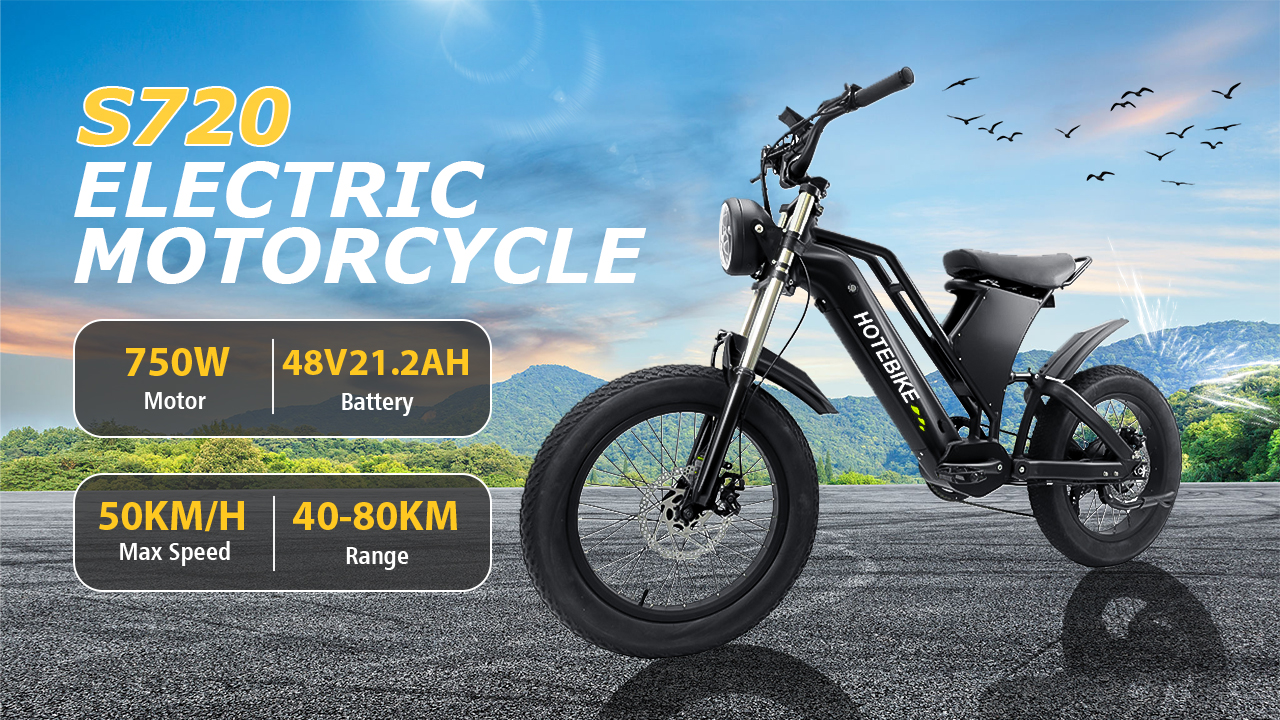
2. Fitness Level and Goals
E-bikes strike a perfect balance between convenience and exercise, making them suitable for individuals across all fitness levels.
- Low-Impact Exercise:
Unlike cars, e-bikes encourage physical activity since you’re actively pedaling most of the time. The motor simply reduces the effort required, making it easier for beginners, seniors, or those recovering from injuries to participate in regular exercise. Over time, this can lead to improved cardiovascular health, increased endurance, and better overall well-being. - Customizable Assistance:
Most modern e-bikes come with adjustable levels of pedal assist, allowing users to fine-tune how much effort they want to exert. For example, you can set the motor to provide maximum assistance while climbing steep hills and switch to minimal assistance on flat terrain to maximize exercise benefits. This flexibility ensures that every ride aligns with your current fitness level and goals. - Weight Management:
Cycling, even with motor assistance, burns calories and contributes to weight management. An e-bike can serve as a gateway to adopting healthier habits without overwhelming yourself. As you become more comfortable and confident, you can gradually decrease the level of motor assistance to challenge yourself further.
3. Environmental Impact
In today’s world, where climate change and air pollution are major concerns, choosing eco-friendly modes of transportation has never been more important.
- Eco-Friendly Alternative:
E-bikes produce zero emissions during operation, making them one of the greenest forms of transportation available. By switching to an e-bike for short trips, you directly contribute to reducing greenhouse gas emissions and improving air quality in your community. - Reduced Reliance on Cars:
Cars account for a significant portion of global carbon emissions. By replacing car trips with e-bike rides, especially for errands or short commutes, you can dramatically cut down on fuel consumption and parking fees. Over time, this shift helps create a more sustainable and livable environment.
4. Budget Considerations
While the upfront cost of an e-bike may seem high compared to a traditional bicycle, its long-term value often outweighs the initial investment.
- Initial Cost:
High-quality e-bikes typically range from $800 to over $3,000, depending on features like battery capacity, motor power, and frame material. Entry-level models are more affordable, while premium options offer advanced technology and enhanced performance. It’s essential to identify your priorities and choose a model that fits both your needs and budget. - Operating Costs:
Compared to cars, e-bikes are far cheaper to operate. Charging the battery usually costs just a few cents per charge, and maintenance involves minor expenses like tire replacements, chain lubrication, and occasional brake adjustments. These low operating costs make e-bikes an economical choice for everyday transportation. - Savings Over Time:
By reducing reliance on cars, you save money on gas, insurance, parking, and repairs. Additionally, many regions offer incentives, subsidies, or tax credits for purchasing e-bikes, further offsetting the initial expense. Over the years, these savings can add up significantly, making an e-bike a wise financial decision.
5. Lifestyle Factors
Your lifestyle plays a crucial role in determining whether an e-bike is the right choice for you.
- Family Use:
Cargo e-bikes are specifically designed to carry children, groceries, or other items, making them incredibly practical for families. With the ability to transport multiple passengers or bulky loads, a cargo e-bike simplifies running errands, dropping kids off at school, or carrying shopping bags home. Some models even feature child seats, ensuring safety and comfort for young riders. - Recreational Riding:
Beyond commuting, e-bikes are excellent for recreational purposes. Whether exploring scenic trails, touring local parks, or embarking on weekend adventures, an e-bike extends the distance you can travel comfortably. With motor assistance, you can venture farther into nature or tackle challenging terrains without worrying about fatigue. - Urban Living:
If you reside in a city with limited parking options, high transportation costs, and crowded streets, an e-bike offers a convenient and affordable solution. Its compact size allows it to navigate through traffic effortlessly, and it can be parked almost anywhere legally permitted. Folding models are particularly useful for urban dwellers who live in apartments or shared spaces.
6. Challenges to Consider
Despite their numerous advantages, e-bikes do come with certain challenges that should be addressed before making a purchase.
- Battery Range:
Depending on the model, e-bikes can travel anywhere from 20 to 100 miles on a single charge. Factors like battery capacity, motor power, rider weight, and terrain affect the actual range. If your commute exceeds the range of your chosen model, you’ll need to plan for mid-day charging or carry a spare battery. Fortunately, portable chargers and quick-charging technologies are becoming increasingly common, alleviating some of these concerns. - Weight:
E-bikes are generally heavier than traditional bicycles due to the added components like the motor and battery. This weight difference may impact portability, especially when carrying the bike upstairs, lifting it onto racks, or maneuvering it in tight spaces. Lightweight carbon fiber frames or foldable designs can mitigate this issue, though they tend to be pricier. - Theft Risk:
Due to their higher value, e-bikes are attractive targets for theft. To protect your investment, it’s crucial to invest in a sturdy lock and secure parking spot. Some manufacturers offer GPS tracking systems that allow you to locate your bike in case of theft, providing an extra layer of security. - Learning Curve:
If you’re new to biking, there may be a slight learning curve to get accustomed to handling an e-bike. Adjusting to its speed, power, and responsiveness takes practice, particularly when navigating busy streets or uneven terrain. Taking a test ride and familiarizing yourself with the controls beforehand can ease this transition.
7. Who Should Buy an Electric e Bike?
Certain groups stand to benefit immensely from owning an e-bike:
- Commuters:
Ideal for anyone looking to replace short car trips with a greener, faster alternative. E-bikes save time, money, and energy while promoting sustainability. - Fitness Enthusiasts:
Perfect for those who want to ease into exercising or combine fitness with functionality. E-bikes provide a customizable workout experience tailored to individual needs. - Families:
Great for parents needing a reliable way to transport kids or groceries. Cargo e-bikes simplify family logistics and promote active lifestyles. - Adventure Seekers:
Excellent for outdoor enthusiasts who want to explore trails and remote areas with less effort. E-bikes extend the boundaries of what’s possible, enabling longer rides and greater accessibility.
Final Thoughts
An electric bike represents more than just a mode of transportation; it embodies a lifestyle choice that promotes sustainability, health, and freedom. By carefully evaluating your commuting needs, fitness goals, budget constraints, and personal preferences, you can determine whether an e-bike is the right fit for you. Testing different models and consulting experts can further refine your decision-making process.
If you’re ready to embrace a smarter, greener way to travel, an electric bike might just transform the way you move through life. From saving time and money to enhancing your well-being and protecting the planet, the benefits of owning an e-bike are undeniable. So why wait? Start your journey toward a cleaner, healthier future today!