 Shuangye ebike

When it comes to choosing an electric bike (e-bike), one of the most important decisions you’ll make is selecting the right motor power. Two popular options in the market are 500W and 750W e-bikes, each catering to different needs and preferences. Understanding the differences between these two power classes can help you determine which is best suited for your lifestyle, terrain, and budget. This comprehensive guide will explore the advantages and disadvantages of 500W and 750W e-bikes, helping you make an informed decision.
Understanding Motor Power: What Do Watts Mean?
Before diving into the specifics of 500W vs. 750W e-bikes, let’s clarify what “watts” represent in this context. Wattage measures the power output of the motor, indicating how much energy it can deliver to propel the bike forward. A higher wattage generally means more torque (pulling power) and faster acceleration, but it also consumes more battery power.
- 500W Motor: Provides moderate power, ideal for casual riders and those who prioritize efficiency over raw speed.
- 750W Motor: Offers greater power, perfect for hilly terrains, heavy loads, or riders seeking faster speeds.
While both motors can provide excellent performance, their suitability depends on your specific use case.
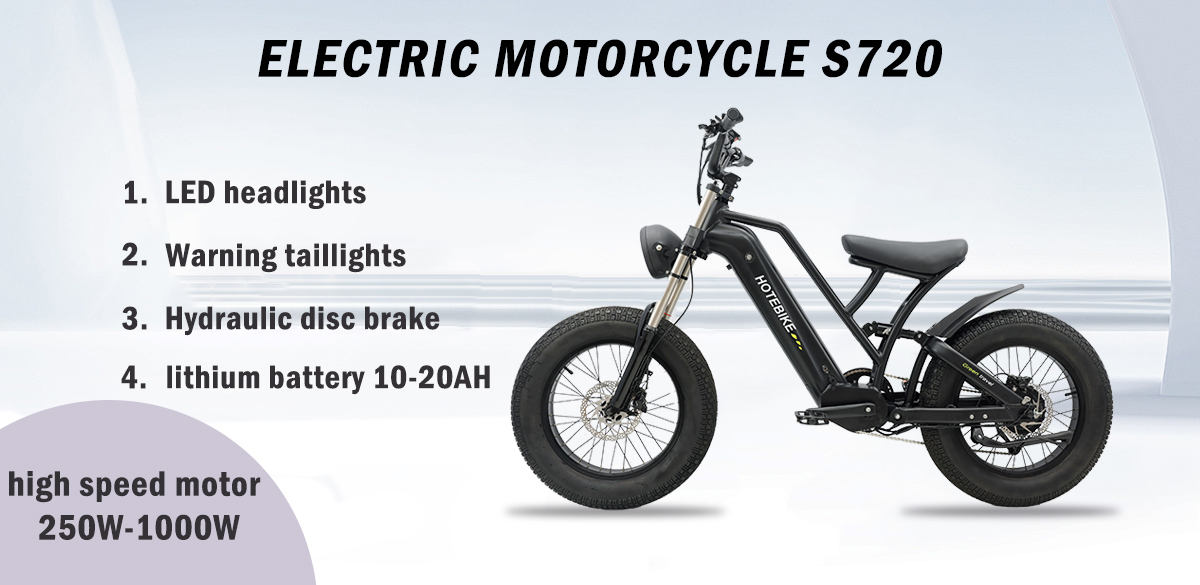 Key Differences Between 500W and 750W E-Bikes
1. Speed and Performance
One of the primary distinctions between 500W and 750W e-bikes lies in their top speed and overall performance.
- 500W E-Bikes:
- Typically reach speeds of 15-20 mph under pedal-assist mode.
- Suitable for urban commuting, light off-road trails, and recreational riding.
- Acceleration is smooth but not as aggressive as a 750W motor.
- 750W E-Bikes:
- Can achieve speeds of 20-28 mph, depending on local regulations and rider input.
- Ideal for tackling steep inclines, hauling cargo, or covering longer distances quickly.
- Provides stronger acceleration and better climbing ability due to increased torque.
For example, if you live in a flat area and primarily use your e-bike for short commutes, a 500W motor might suffice. However, if you reside in a hilly region or plan to carry heavy loads, a 750W motor would be more appropriate.
2. Battery Life and Efficiency
Higher-powered motors consume more energy, directly affecting the range of your e-bike.
- 500W E-Bikes:
- Generally offer better battery efficiency, allowing for longer rides on a single charge.
- With a typical 36V or 48V battery, you might get 20-40 miles per charge, depending on terrain and assistance level.
- 750W E-Bikes:
- Consume more battery power due to their higher output, resulting in shorter ranges.
- On average, expect 15-30 miles per charge with a similar battery capacity.
If maximizing range is crucial for your needs, a 500W e-bike may be preferable. However, some 750W models come equipped with larger batteries to compensate for the increased power consumption.
 3. Terrain Suitability
The type of terrain you frequently ride on plays a significant role in determining the ideal motor power.
- Flat Terrain:
- Both 500W and 750W e-bikes perform well on flat surfaces, but the former offers better battery efficiency.
- Hilly Terrain:
- A 750W motor provides superior climbing ability, making it easier to conquer steep inclines without straining the motor or depleting the battery too quickly.
- Off-Road Adventures:
- For rugged trails, a 750W motor ensures enough power to navigate obstacles and maintain momentum.
If you plan to ride mostly on paved roads or gentle paths, a 500W e-bike should meet your needs. But for challenging terrains, a 750W motor offers peace of mind and enhanced performance.
4. Cargo Capacity and Load Handling
If you intend to use your e-bike for transporting goods or carrying passengers, motor power becomes even more critical.
- 500W E-Bikes:
- Adequate for lightweight cargo, such as groceries or small packages.
- May struggle with heavier loads, leading to reduced speed and range.
- 750W E-Bikes:
- Designed to handle substantial weights, often exceeding 200-300 pounds.
- Perfect for cargo bikes, child carriers, or other applications requiring significant pulling power.
For instance, if you’re planning to convert your e-bike into a delivery vehicle or family transporter, a 750W motor will ensure reliable performance regardless of the load.
5. Weight and Portability
Motor power also influences the overall weight of the e-bike, which affects its portability.
- 500W E-Bikes:
- Tend to be lighter and easier to lift or maneuver manually.
- Ideal for riders who need to carry their bikes up stairs or store them in compact spaces.
- 750W E-Bikes:
- Heavier due to the larger motor and potentially bigger battery.
- May pose challenges for users who require frequent portability.
If ease of transport is a priority, consider opting for a 500W model unless the additional power of a 750W motor outweighs this disadvantage.
6. Legal Considerations
Local laws and regulations often dictate the maximum allowable motor power for e-bikes.
- Class 1 & 2 E-Bikes:
- In many regions, these bikes are capped at 750W or 20 mph under throttle or pedal-assist modes.
- Class 3 E-Bikes:
- Allowed to reach speeds up to 28 mph with pedal-assist but must adhere to stricter rules regarding where they can be ridden.
Always verify your local regulations to ensure compliance, especially if you’re considering a 750W e-bike that approaches the upper limits of legal power outputs.
Who Should Choose a 500W E-Bike?
A 500W e-bike is an excellent choice for:
- Casual Riders: Those looking for a lightweight, efficient option for leisurely rides or short commutes.
- Urban Commuters: Individuals navigating city streets, where lower speeds and better battery life are advantageous.
- Budget-Conscious Buyers: Typically more affordable than 750W models while still offering solid performance.
Who Should Choose a 750W E-Bike?
A 750W e-bike is ideal for:
- Adventure Seekers: Riders exploring rough terrains, mountains, or long-distance trails.
- Heavy Load Carriers: Users needing extra power for transporting cargo, children, or other large items.
- Speed Enthusiasts: Those desiring faster acceleration and higher top speeds within legal limits.
Cost Comparison: Initial Investment vs. Long-Term Savings
Pricing varies widely based on brand, features, and build quality, but here’s a general comparison:
- 500W E-Bikes:
- Usually range from $800-$2,000, depending on the model and components.
- Lower upfront cost makes them attractive for beginners or occasional riders.
- 750W E-Bikes:
- Typically fall between $1,200-$3,500, reflecting their advanced capabilities and robust construction.
- Justify the higher price tag through improved performance and versatility.
In terms of long-term savings, both options reduce transportation costs compared to traditional vehicles. However, 500W e-bikes tend to save more on electricity bills due to their superior battery efficiency.
Maintenance Requirements
Regardless of motor power, regular maintenance is essential for extending the lifespan of your e-bike. That said, there are slight variations in upkeep requirements:
- 500W E-Bikes:
- Require less frequent servicing since they endure less strain during operation.
- 750W E-Bikes:
- May demand more attention, particularly to brakes and tires, given their higher speeds and towing capacity.
Conclusion: Which Is Right for You?
Choosing between a 500W and 750W e-bike ultimately depends on your unique circumstances and priorities. Here’s a quick summary to help guide your decision:
| Factor | 500W E-Bike | 750W E-Bike |
|---|---|---|
| Top Speed | ~15-20 mph | ~20-28 mph |
| Battery Efficiency | Better range (~20-40 miles per charge) | Shorter range (~15-30 miles per charge) |
| Terrain Suitability | Flat or mildly hilly areas | Hilly terrains, off-road adventures |
| Cargo Capacity | Lightweight loads | Heavy-duty cargo and towing |
| Weight | Lighter and more portable | Heavier but more powerful |
| Price Range | $800-$2,000 | $1,200-$3,500 |
By evaluating your intended usage, preferred riding conditions, and budget constraints, you can confidently select the e-bike that aligns perfectly with your needs. Whether you opt for the balanced performance of a 500W model or the unmatched power of a 750W machine, rest assured that either choice represents a smart investment in sustainable, enjoyable transportation.