 Shuangye ebike

The speed of electric bikes (e-bikes) is a topic that fascinates both casual riders and enthusiasts alike. E-bikes come in various forms, each designed for different purposes and terrains, and their speeds can vary significantly depending on factors such as classification, motor power, battery capacity, terrain, rider weight, and local regulations. Below, we will delve deeply into these aspects to provide a comprehensive understanding of how fast electric bikes can go.
1. Types of Electric Bikes and Their Speeds
Electric bikes are generally classified into three main categories based on their speed capabilities: Class 1, Class 2, and Class 3. These classifications help define the bike’s performance and determine where it can legally be ridden.
- Class 1 (Pedal-Assist Only):
- Class 1 e-bikes are pedal-assist only, meaning the motor provides assistance only when the rider is pedaling. The motor cuts off completely once the bike reaches 20 mph (32 km/h). This category is ideal for casual riders, commuters, and those who prefer a more traditional biking experience while still enjoying the benefits of electric assistance.
- These bikes are often used for commuting, recreational riding, or light trail riding. They strike a balance between convenience and regulation compliance, making them popular in urban areas.
- Class 2 (Throttle-On-Demand):
- Class 2 e-bikes have a throttle that allows the rider to propel the bike without pedaling. Like Class 1 bikes, the motor also cuts off at 20 mph (32 km/h). This type of bike is particularly popular for urban commuting and recreational riding because it offers the convenience of a throttle for quick starts or short rides without the need for pedaling.
- Class 2 bikes are commonly seen in cities, parks, and other areas where riders may not want to exert themselves physically but still enjoy the freedom of riding a bike.
- Class 3 (Speed Pedelec):
- Class 3 e-bikes offer pedal-assist up to 28 mph (45 km/h) but do not have a throttle. These bikes are designed for faster commutes or by riders who want higher speeds without manual effort. Due to their higher speed capabilities, Class 3 bikes may require additional licensing or registration in some regions.
- These bikes are often used by commuters who need to cover longer distances quickly or by riders who enjoy the thrill of faster speeds. However, they are typically restricted from certain bike paths or trails that are designated for slower-moving traffic.
 2. Motor Power and Top Speed
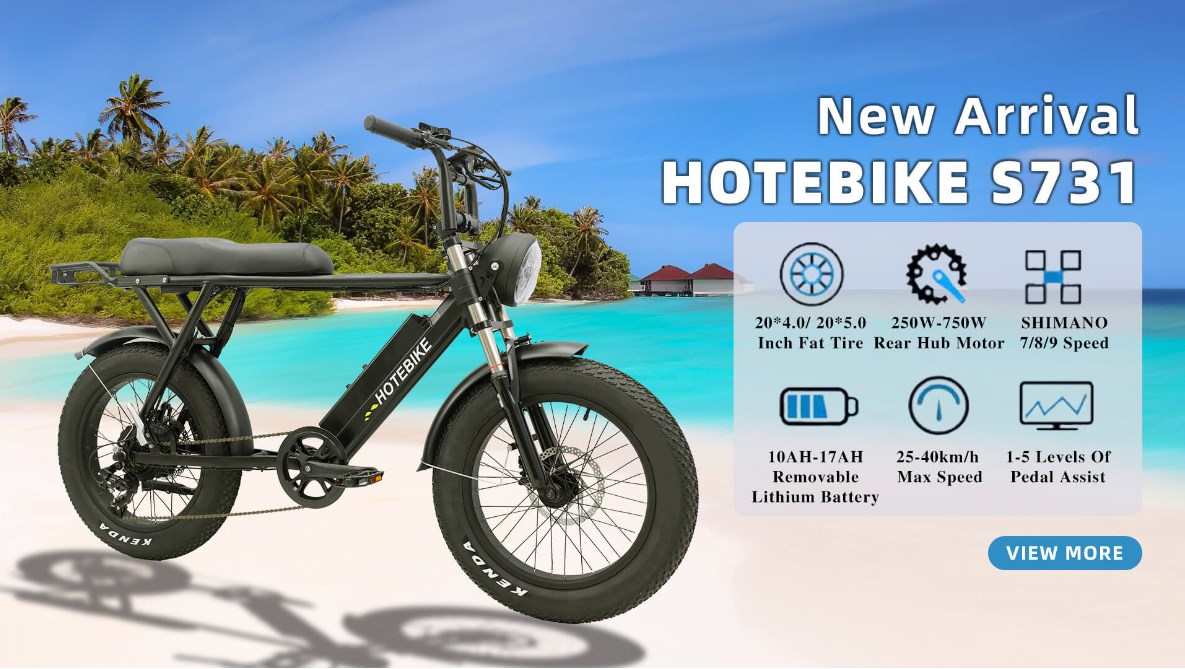
The motor’s power output directly influences an electric bike’s top speed. Most e-bikes have motors ranging from 250W to 750W, with higher-powered motors capable of achieving greater speeds.
- 250W Motors:
- Common in Europe and other regions with strict power limits, 250W motors are typically found in entry-level or lightweight e-bikes. These bikes can achieve speeds of 15-20 mph (24-32 km/h) under pedal-assist. While they may not be the fastest option, they are sufficient for casual riding and commuting on flat terrain.
- 350W Motors:
- Found in many mid-range e-bikes, 350W motors strike a balance between power and efficiency. These bikes can achieve speeds of 20 mph (32 km/h) with moderate effort, making them suitable for a wide range of riders, including commuters and recreational cyclists.
- 500W-750W Motors:
- Used in high-performance e-bikes and fat-tire models, these powerful motors are capable of reaching 25-28 mph (40-45 km/h) or more, especially on flat terrain. Such bikes are often used for off-road adventures, mountain biking, or hauling heavy loads. They provide ample power for climbing steep hills or maintaining high speeds on paved roads.
3. Battery Capacity and Range
While battery capacity primarily affects range, it can indirectly influence speed. A larger battery provides more power to the motor, allowing the bike to maintain higher speeds for longer periods. However, excessive use of high speeds can drain the battery faster.
- Small Batteries (250Wh-350Wh):
- Suitable for short commutes and casual rides, small batteries are often found in budget-friendly e-bikes. While they may not provide enough power for sustained high speeds, they are perfect for riders who prioritize affordability and simplicity.
- These batteries may struggle to maintain higher speeds consistently, especially on hilly terrains or when carrying heavier loads.
- Large Batteries (500Wh-1000Wh):
- Providing extended range and better performance at higher speeds, large batteries are ideal for long-distance riding and hilly terrains. With a larger battery, riders can maintain speeds of 25-30 mph (40-48 km/h) for longer periods without worrying about running out of power.
- High-capacity batteries are often paired with powerful motors in premium e-bikes, ensuring that riders can enjoy both speed and endurance.
4. Terrain and Rider Weight
The terrain and rider weight play significant roles in determining how fast electric bike can go.
- Flat Terrain:
- On flat terrain, electric bikes can easily reach their maximum speed. Minimal resistance means the motor can operate efficiently, allowing the bike to accelerate smoothly and maintain high speeds.
- For example, a Class 3 e-bike with a 750W motor can effortlessly reach 28 mph (45 km/h) on a flat road, providing a thrilling yet controlled ride.
- Hilly Terrain:
- Steeper inclines reduce speed due to increased resistance. Some e-bikes may struggle to maintain high speeds uphill unless equipped with powerful motors and sufficient battery capacity.
- In such cases, riders may need to rely more on pedal power to assist the motor, which can still result in impressive climbing capabilities but at lower speeds.
- Rider Weight:
- Heavier riders may experience slightly reduced speeds, as the motor must work harder to propel the combined weight of the rider and bike. However, modern e-bikes are designed to handle a wide range of rider weights, ensuring that even heavier individuals can enjoy a smooth and speedy ride.
- Manufacturers often specify the maximum load capacity of their bikes, which includes both the rider’s weight and any additional cargo.
 5. Legal Limits and Regulations
Local laws and regulations often impose speed limits on electric bikes to ensure safety and compatibility with road infrastructure. These regulations vary widely across countries and regions, so it’s essential to understand the rules in your area before purchasing or riding an e-bike.
- United States:
- In the U.S., Class 1 and Class 2 bikes are limited to 20 mph (32 km/h), while Class 3 bikes are limited to 28 mph (45 km/h). Riders of Class 3 bikes may need to wear helmets or obtain specific licenses, depending on state regulations.
- Some states allow e-bikes to be ridden on bike paths and trails, while others restrict access based on speed and class. It’s important to check local ordinances to avoid legal issues.
- European Union:
- In the EU, e-bikes are typically limited to 25 km/h (15.5 mph). Motors must cut off assistance once this speed is reached. This regulation ensures that e-bikes remain compatible with shared cycling infrastructure and pedestrian zones.
- Riders in the EU often choose e-bikes with 250W motors to comply with these regulations while still enjoying the benefits of electric assistance.
- Other Countries:
- Speed limits vary widely around the world. For example, in some Asian countries, e-bikes may be allowed to reach higher speeds, while in Australia, the speed limit is similar to the EU at 25 km/h (15.5 mph).
- Riders traveling internationally should familiarize themselves with local regulations to ensure compliance and avoid penalties.
6. High-Performance Electric Bikes
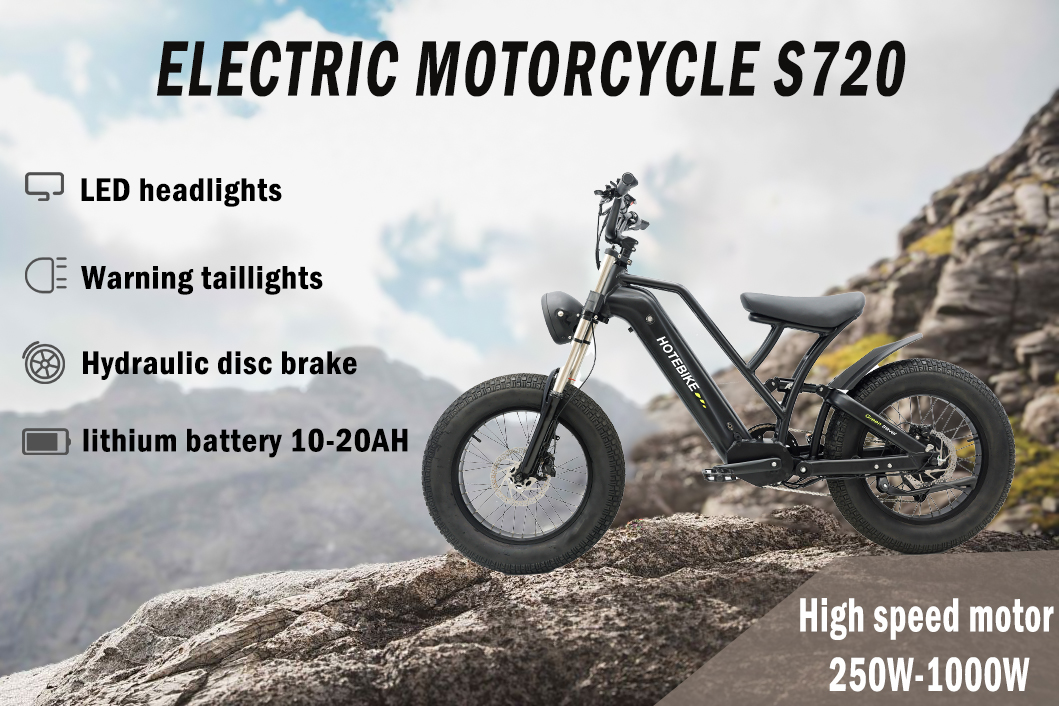
For riders seeking faster speeds, there are high-performance electric bikes designed to exceed standard limits. These bikes often fall into the “electric motorcycle” category and may require special licensing.
- Speeds Over 30 mph (48 km/h):
- Models like the RadPower RadRunner Pro or Specialized Turbo Levo can reach speeds of 30-40 mph (48-64 km/h). These bikes are designed for experienced riders who demand high performance and adventure.
- Suitable for off-road adventures or extreme commuting, these bikes combine powerful motors, robust frames, and advanced suspension systems to deliver thrilling rides.
- Electric Mountain Bikes (eMTBs):
- Designed for rugged terrain, eMTBs prioritize torque over top speed but can still reach 25-30 mph (40-48 km/h) on flat surfaces. These bikes are equipped with fat tires, durable frames, and all-terrain capabilities, making them ideal for challenging trails and adventurous rides.
- Riders who enjoy exploring rough terrains or participating in competitive events often choose eMTBs for their unmatched performance and versatility.
7. Factors That Affect Speed
Several other factors can influence an electric bike’s speed:
- Tire Type and Pressure:
- Thin, high-pressure tires reduce rolling resistance and allow for higher speeds. These tires are commonly found on road-oriented e-bikes, enabling them to glide smoothly and efficiently on paved surfaces.
- Fat tires, common on eMTBs, prioritize stability and traction over speed. While they excel on loose or uneven terrain, they may slightly reduce the bike’s top speed on flat roads.
- Wind Resistance:
- Strong headwinds can slow down even the most powerful e-bikes. Aerodynamic positioning, such as leaning forward and reducing frontal exposure, can help minimize drag and improve speed.
- Riders who frequently encounter windy conditions may benefit from choosing bikes with higher-powered motors to compensate for the added resistance.
- Maintenance:
- Properly lubricated chains, clean brakes, and well-maintained components ensure optimal performance and speed. Regular maintenance not only extends the lifespan of the bike but also ensures that it operates at its best.
- Neglecting maintenance can lead to increased friction, reduced efficiency, and slower speeds, so it’s crucial to keep the bike in top condition.
Conclusion
In conclusion, the speed of electric bikes varies depending on their classification, motor power, battery capacity, terrain, rider weight, and local regulations. Most standard e-bikes are limited to 20-28 mph (32-45 km/h), while high-performance models can exceed 30 mph (48 km/h). For casual riders, speeds around 15-20 mph (24-32 km/h) are sufficient for commuting and recreation. However, for those seeking faster speeds, specialized e-bikes or electric motorcycles may be the better choice.
Before purchasing an electric bike, it’s important to consider your needs, the bike’s intended use, and any applicable legal restrictions in your area. Proper maintenance and responsible riding habits will also ensure your e-bike performs at its best for years to come. Whether you’re commuting to work, exploring trails, or simply enjoying a leisurely ride, there’s an electric bike out there that can meet your speed and performance expectations.