 Shuangye ebike

The lifespan of an electric bike (e-bike) or electric motorcycle is influenced by a variety of factors, including the quality of its components, how frequently it’s used, maintenance practices, and riding conditions. Proper care and understanding of these elements can significantly extend the life of your e-bike or motorcycle. Below is a comprehensive exploration of what determines the longevity of your electric vehicle and how you can maximize its lifespan.
1. Key Components That Affect Lifespan
a) Battery
The battery is arguably the most critical component of an electric bike or motorcycle. Its lifespan is measured in charge cycles rather than years, with each cycle representing one full discharge and recharge. Lithium-ion batteries, which are commonly used in e-bikes, typically last between 300 to 1,000 charge cycles, depending on their quality and usage patterns.
- Expected Lifespan:
- High-quality batteries can last up to 5-7 years with proper care.
- Lower-quality batteries may degrade faster, lasting around 2-4 years.
- Factors Influencing Battery Life:
- Charging Habits: Avoid letting the battery fully discharge before recharging. Keeping it within the 20%-80% range prolongs its life by reducing stress on the cells.
- Temperature: Extreme heat or cold can damage the battery. Store it in a cool, dry place when not in use, ideally at room temperature.
- Usage Frequency: Frequent deep discharges (draining the battery completely) shorten its lifespan. Try to avoid this practice, especially if you’re using the bike daily.
b) Motor
Electric motors are highly durable and can last for many years with minimal wear and tear. Most modern e-bike motors are brushless DC motors, which have fewer moving parts and require little maintenance compared to traditional brushed motors.
- Expected Lifespan:
- A well-maintained motor can last over 10,000 hours of operation, translating to 5-10 years or more under normal use.
- Factors Influencing Motor Life:
- Overheating: Riding at high speeds or carrying heavy loads without adequate cooling can reduce motor life. Ensure that the motor has sufficient airflow during operation.
- Water Exposure: If you frequently ride in wet conditions, ensure the motor is properly sealed to prevent water ingress, which can lead to corrosion and failure.
c) Frame
The frame material—aluminum, steel, carbon fiber, or titanium—affects durability. The choice of material depends on the intended use of the bike and personal preferences.
- Expected Lifespan:
- With proper care, a good-quality frame can last 10+ years.
- Factors Influencing Frame Life:
- Corrosion: Regular cleaning and rust prevention (especially for steel frames) extend the frame’s life. Aluminum frames are less prone to rust but can develop cracks over time due to fatigue.
- Impact Damage: Avoid crashes or drops that could compromise structural integrity. Inspect the frame regularly for signs of cracks or deformations.
d) Tires and Wheels
Tires are subject to wear and tear from friction, road debris, and pressure changes. They play a crucial role in ensuring smooth and safe rides.
- Expected Lifespan:
- Standard tires last about 1,000-3,000 miles, depending on terrain and rider weight.
- Factors Influencing Tire Life:
- Proper Inflation: Maintaining correct tire pressure improves longevity and performance. Underinflated tires increase rolling resistance and wear out faster, while overinflated tires reduce traction and are more susceptible to punctures.
- Riding Conditions: Rough roads or off-road trails accelerate tire wear. Consider using thicker, more durable tires if you frequently ride on challenging terrains.
e) Brakes
Brakes are essential for safety and undergo regular wear due to frequent use. Disc brakes are commonly used in e-bikes and motorcycles because they offer superior stopping power compared to rim brakes.
- Expected Lifespan:
- Brake pads need replacement every 500-2,000 miles, depending on riding style.
- Factors Influencing Brake Life:
- Aggressive Braking: Sudden stops wear out brake pads faster. Try to anticipate stops and slow down gradually whenever possible.
- Maintenance: Inspect brakes regularly and replace worn-out pads promptly. Clean calipers and rotors to ensure optimal performance.
 2. Factors That Influence Overall Lifespan
a) Usage Patterns
How often and how intensely you use your e-bike affects its lifespan.
- Daily Commuting: Moderate daily use (e.g., 10-20 miles per day) can lead to a lifespan of 5-10 years with proper maintenance. This usage pattern strikes a balance between wear and tear and regular care.
- Heavy Use: Long-distance rides or frequent off-road adventures may shorten the lifespan to 3-5 years due to increased strain on components like the motor, battery, and tires.
b) Maintenance Practices
Regular maintenance is crucial for extending the life of your e-bike.
- Cleaning: Dirt, dust, and moisture can damage components. Clean your bike after every ride, especially in wet conditions. Pay special attention to the chain, derailleur, and braking system.
- Lubrication: Lubricate chains, gears, and other moving parts to prevent rust and ensure smooth operation. Use appropriate lubricants designed for bikes to avoid attracting dirt and grime.
- Inspections: Periodically check for loose bolts, worn-out parts, and signs of damage. Address issues early to prevent further complications.
c) Riding Conditions
The environment where you ride impacts durability.
- Urban Roads: Smooth surfaces minimize wear on tires and suspension systems. However, city riding often involves frequent stops and starts, which can wear out brakes more quickly.
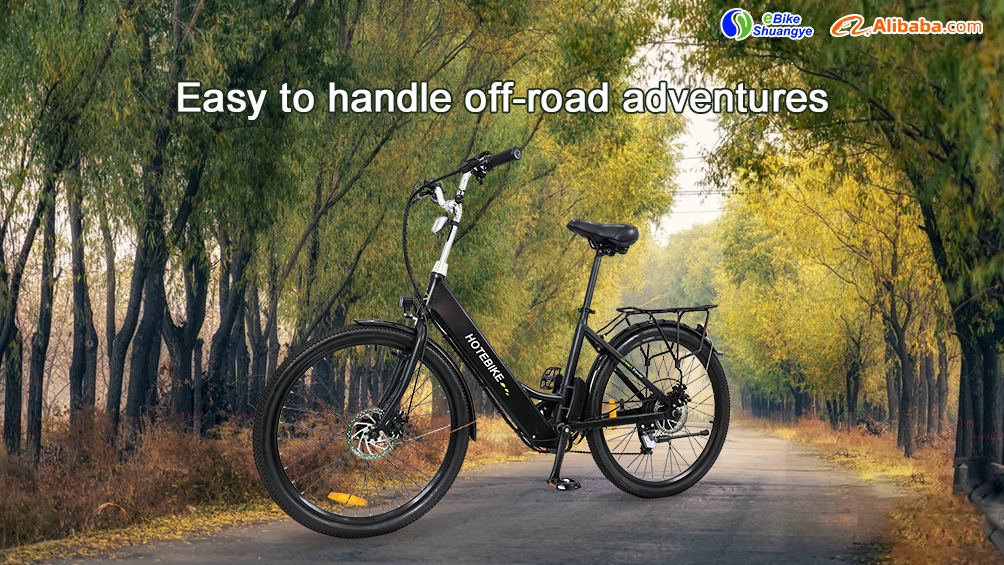
- Off-Road Trails: Rough terrains increase stress on tires, shocks, and the frame. Consider upgrading to stronger components if you frequently ride off-road.
- Weather: Exposure to rain, snow, or extreme temperatures accelerates component degradation. Protect your bike from harsh weather conditions whenever possible.
d) Quality of Build
Higher-quality bikes and motorcycles generally last longer due to superior materials and craftsmanship.
- Budget Models: May last 3-5 years with moderate use. These models often use cheaper components that wear out faster.
- Premium Models: Can exceed 10 years with proper care. Premium bikes typically feature advanced materials and technologies that enhance durability and performance.
3. How Long Should Each Component Last?
| Component | Typical Lifespan | Tips for Extending Life |
|---|---|---|
| Battery | 300-1,000 charge cycles (~5 years) | Avoid deep discharges, store in cool places, and follow manufacturer guidelines. |
| Motor | 5-10 years | Prevent overheating, keep it clean, and avoid excessive strain. |
| Frame | 10+ years | Protect from corrosion, avoid impacts, and inspect for cracks regularly. |
| Tires | 1,000-3,000 miles | Maintain proper inflation, rotate tires periodically, and avoid sharp objects. |
| Brakes | 500-2,000 miles | Replace brake pads as needed, clean calipers, and ensure proper alignment. |
| Chain | 1,000-2,000 miles | Lubricate regularly, clean dirt and grime, and replace if stretched or noisy. |
| Controller | 5-10 years | Keep electronics dry, update firmware if available, and avoid voltage spikes. |
4. Maximizing the Lifespan of Your Electric Bike/Motorcycle
a) Follow Manufacturer Guidelines
Each e-bike or motorcycle comes with specific recommendations for maintenance and usage. Adhering to these guidelines ensures optimal performance and longevity.
- User Manuals: Read the user manual carefully to understand the recommended maintenance schedule and tips for optimal use.
- Software Updates: Some e-bikes come with firmware that can be updated to improve performance and fix bugs. Check periodically for updates from the manufacturer.
b) Perform Regular Maintenance
Consistent maintenance is key to preventing small issues from turning into major problems.
- Monthly Checks: Inspect tires, brakes, and chain for wear. Adjust the derailleur if shifting becomes difficult and tighten any loose bolts.
- Annual Servicing: Have a professional technician evaluate the bike annually. They can identify potential issues before they become serious problems.
c) Store Properly
Improper storage can significantly reduce the lifespan of your e-bike.
- Indoor Storage: Store your e-bike indoors to protect it from weather elements. Garages or sheds are ideal, provided they are dry and secure.
- Charge Before Storing: If storing for extended periods, leave the battery at around 50% charge. Fully discharged batteries can suffer permanent capacity loss over time.
d) Upgrade Components When Needed
Replacing worn-out components like tires, chains, and brake pads prevents further damage to other parts of the bike.
- Preventive Upgrades: Consider upgrading to higher-quality components if you notice excessive wear or if you plan to use the bike more intensively.
- Worn Parts: Never ignore signs of wear. For example, a stretched chain can damage the cassette and chainring, leading to costly repairs.
e) Ride Responsibly
Your riding style directly affects the lifespan of your e-bike.
- Avoid Aggressive Riding: Sudden stops, hard acceleration, and high-speed descents put unnecessary strain on the brakes and motor.
- Smooth Transitions: Anticipate traffic and obstacles to allow for smoother braking and acceleration, reducing wear on critical components.
5. Expected Total Lifespan
With proper care, a well-built electric bike or motorcycle can last:
- For Casual Riders: 8-12 years or more. These riders typically use their bikes infrequently and prioritize maintenance.
- For Daily Commuters: 5-10 years. Daily use increases wear and tear, but consistent maintenance can still yield a long lifespan.
- For Enthusiasts: 3-7 years, depending on intensity of use and maintenance practices. Enthusiasts often push their bikes to the limit, which shortens their lifespan unless meticulous care is taken.
6. Cost of Replacements Over Time
While the initial investment in an e-bike or motorcycle may seem significant, ongoing costs for replacements and repairs should be considered.
- Battery Replacement: Typically costs $200-$500, depending on capacity and brand. Replacing the battery is one of the most expensive maintenance tasks but is necessary after several years of use.
- Tire Replacement: Around $20-$50 per tire. Depending on usage, you may need to replace tires once or twice a year.
- Brake Pad Replacement: Approximately $10-$30 per set. Frequent riders may need to replace brake pads every few months.
- Motor Repairs: Rarely needed but could cost $100-$300 if required. Motors are generally reliable, but issues can arise if they are exposed to water or overheating.
Conclusion
An electric bike or motorcycle can last anywhere from 3 to 12 years, depending on factors like build quality, usage patterns, and maintenance practices. By following best practices for care and upkeep, you can maximize the lifespan of your vehicle and enjoy years of reliable, eco-friendly transportation. Remember, regular maintenance and responsible riding are key to ensuring your e-bike remains in top condition for as long as possible. Whether you’re commuting to work, exploring nature trails, or simply enjoying leisurely rides, investing time and effort into maintaining your e-bike will pay dividends in terms of both performance and longevity.