 Shuangye ebike

The lifespan of an electric scooter adult depends on several factors, including the quality of its components, how often it’s used, maintenance practices, and riding conditions. Below is a detailed breakdown of these factors to help you understand how long your electric scooter might last.
1. Battery Life: The Heart of the Scooter
The battery is one of the most critical components of an electric scooter. Most modern scooters use lithium-ion batteries, which are known for their high energy density and relatively long lifespan compared to older battery technologies like lead-acid.
Factors Affecting Battery Longevity:
- Charge Cycles: Lithium-ion batteries typically last between 300 to 500 charge cycles before their capacity starts to degrade significantly. This means that after this many charges, the battery may retain only about 70%-80% of its original capacity.
- Temperature Extremes: Extreme temperatures—both hot and cold—can accelerate battery degradation. High heat causes chemical reactions within the battery to speed up, while freezing temperatures slow them down, potentially damaging the cells. Storing your scooter indoors during extreme weather conditions can help prolong battery life.
- Depth of Discharge (DoD): Fully discharging the battery every time you ride can shorten its lifespan. Experts recommend keeping the battery between 20% and 80% charged whenever possible to minimize stress on the cells. This practice is often referred to as “shallow cycling.”
- Charging Practices: Fast charging, while convenient, generates more heat than slower charging methods, which can harm the battery over time. If possible, opt for standard or trickle charging when available.
Average Lifespan of Electric Scooter Batteries:
Most lithium-ion batteries last between 1 to 3 years under normal usage conditions. After this period, the battery may need replacement, depending on how frequently the scooter is used and how well it has been maintained.
2. Motor Durability: Built to Last
Electric motors in scooters are generally quite durable due to their simplicity and lack of moving parts compared to internal combustion engines.
Why Electric Motors Are So Durable:
- Simplified Design: An electric motor consists primarily of a rotor (the spinning part) and a stator (the stationary part). These components work together seamlessly without the need for lubrication or frequent adjustments.
- Low Maintenance Requirements: Unlike gas-powered engines, electric motors don’t require oil changes, spark plug replacements, or air filter cleanings. This simplicity translates to longer lifespans with minimal upkeep.
- Efficiency: Electric motors convert up to 90% of electrical energy into motion, whereas internal combustion engines achieve efficiencies closer to 20%-30%. Higher efficiency means less strain on the motor during operation.
Realistic Expectations for Motor Lifespan:
Under ideal conditions, an electric motor can last well over 10 years—or even longer. However, external factors such as exposure to moisture, dust, or vibration could reduce its longevity. Regular inspections and timely repairs can mitigate these risks.
3. Maintenance: Prolonging Your Scooter’s Life
While electric scooters require less maintenance than traditional vehicles, they still need periodic attention to ensure optimal performance and longevity.
Essential Maintenance Tasks:
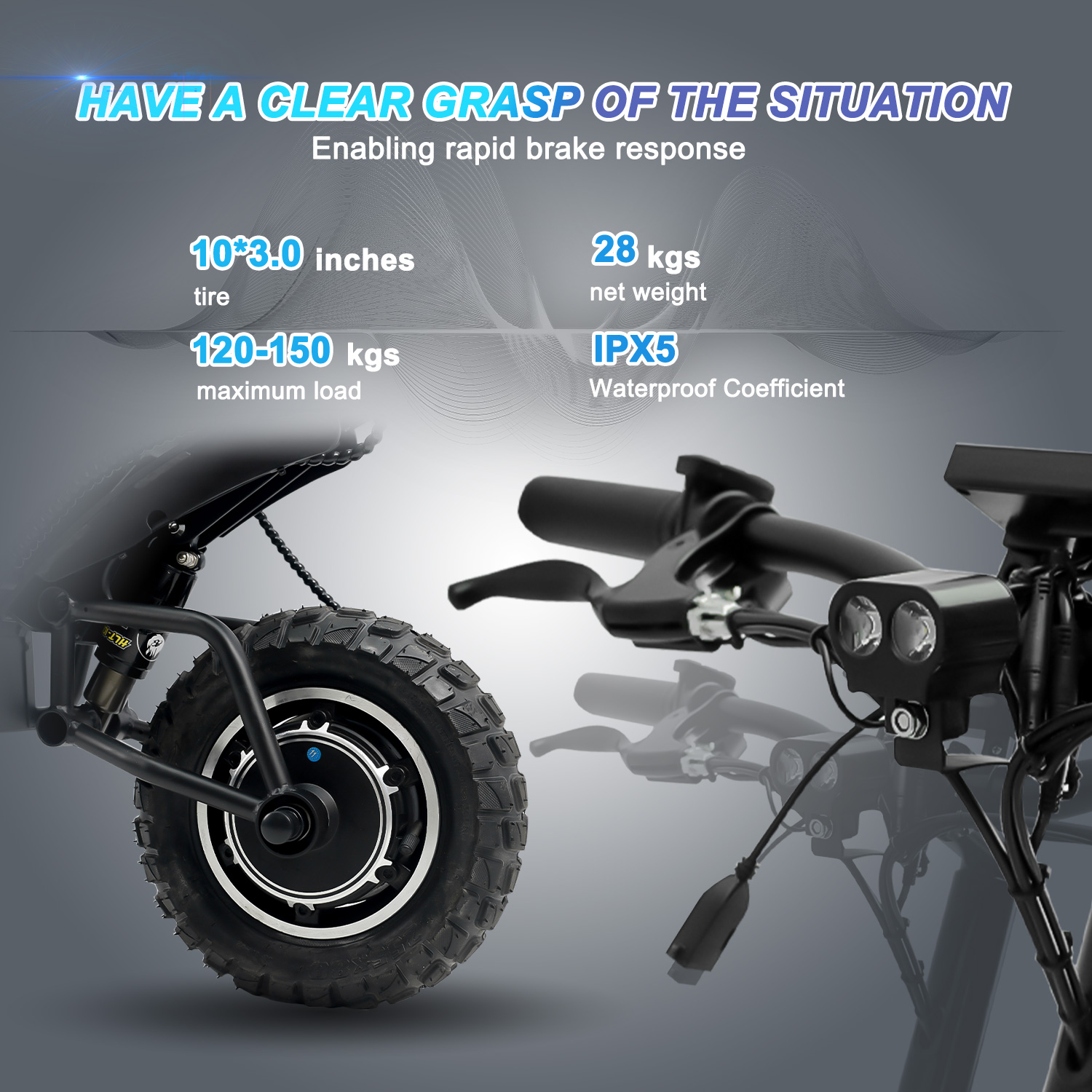
- Tires: Properly inflated tires not only improve handling but also reduce rolling resistance, allowing the scooter to operate more efficiently. Check tire pressure regularly and inspect for signs of wear or damage.
- Brakes: Many electric scooters come equipped with disc brakes or electronic braking systems. Inspect brake pads periodically and replace them as needed to avoid excessive wear on the rotors.
- Electrical Connections: Ensure all wiring harnesses and connectors are secure and free from corrosion. Loose connections can cause intermittent issues or even permanent damage to electronic components.
- Deck and Frame: Inspect the deck and frame for cracks or structural damage, especially if you frequently ride on rough terrain.
- Chain or Belt Drive: Depending on the design, your scooter might use either a chain or belt drive to transfer power from the motor to the wheels. Keep the chain lubricated and properly tensioned, or ensure the belt remains aligned and free from cracks.
Benefits of Routine Maintenance:
By performing regular maintenance tasks, you can catch minor problems early before they escalate into costly repairs. Additionally, maintaining your scooter according to the manufacturer’s recommendations helps preserve its resale value if you decide to sell it later.
4. Riding Conditions: Impact on Longevity
Your riding environment plays a significant role in determining how long your electric scooter will last.
Harsh vs. Ideal Conditions:
- Harsh Conditions: Constant exposure to rain, snow, sand, or saltwater can corrode metal components and damage electrical systems. Riding on rough terrain or carrying heavy loads frequently can also strain the motor and suspension.
- Ideal Conditions: Smooth roads, moderate climates, and light payloads create favorable conditions for maximizing your scooter’s lifespan. Avoiding aggressive acceleration and braking further reduces wear on the drivetrain and brakes.
Tips for Reducing Wear in Challenging Environments:
- Use protective covers or storage solutions to shield your scooter from the elements when not in use.
- Wash your scooter regularly to remove dirt, grime, and road salt that can accumulate over time.
- Consider upgrading to premium components, such as waterproof electronics or reinforced tires, if you frequently ride in adverse conditions.
5. Usage Patterns: Balancing Frequency and Intensity
How often and how intensely you use your electric scooter affects its overall longevity.
Daily Commuters vs. Occasional Riders:
- Daily Commuters: If you rely on your electric scooter for daily transportation, you’ll naturally experience more wear and tear over time. To counteract this, focus on consistent maintenance and adopt conservative driving habits.
- Occasional Riders: Those who use their scooters sparingly may see slower degradation of components simply because the scooter spends more time idle. However, prolonged periods without use can lead to issues like flat spots on tires or reduced battery performance due to self-discharge.
Striking a Balance:
Moderate, consistent use tends to be easier on a scooter than infrequent, intense rides. For instance, short trips at steady speeds place less stress on the motor and battery compared to long-distance journeys involving rapid accelerations and decelerations.
Conclusion: Maximizing Your Electric Scooter’s Lifespan
With proper care, an electric scooter can last anywhere from 2 to 5 years—or even longer—depending on how well it’s maintained and the conditions under which it operates. By focusing on key areas such as battery health, motor durability, routine maintenance, riding conditions, and usage patterns, you can extend the life of your investment and enjoy many years of reliable service.
Remember, every scooter is unique, and individual results may vary based on make, model, and personal habits. Always consult your owner’s manual for specific guidance tailored to your particular vehicle. With a little effort and attention to detail, your electric scooter can remain a trusted companion for years to come.