 Shuangye ebike

When considering whether a 250-watt motor is sufficient for your electric bike (e-bike), it’s essential to evaluate how you plan to use the bike, the terrain you’ll encounter, and your personal preferences. While 250 watts is widely regarded as a standard motor size for many e-bikes, its suitability depends on several factors that go beyond just wattage. In this article, we will explore these factors in detail, helping you make an informed decision about whether a 250-watt motor meets your needs.
What Does 250 Watts Mean?
Watts refers to the power output of the electric motor on an electric bike. It is calculated by multiplying the electric motor’s voltage (v) with the maximum current (Amps of A). The higher the watt rating on an e-bike motor, the faster and more powerful it is.
The average watt range on an electric bike is between 250 and 750w. It is worth noting that the two main power ratings on an electric motor are continuous and peak.
The continuous rating is the average amount of watts supplied to the motor while it is running, and the peak rating is the maximum number of watts that the motor reaches in a short period, such as when the e-bike starts accelerating from zero.
Urban Commuting and Flat Terrain
If your primary purpose for purchasing an e-bike is urban commuting or casual riding on flat terrain, a 250-watt motor is likely more than enough. Here’s why:
- Smooth Acceleration: A 250-watt motor provides adequate torque for smooth acceleration from a stop, making it ideal for navigating through traffic or starting uphill at intersections.
- Moderate Speeds: Most 250-watt e-bikes are designed to assist riders up to speeds of approximately 15–20 mph (25–32 km/h). This range aligns perfectly with typical city speed limits and ensures a comfortable cruising experience without excessive noise or strain on the motor.
- Efficient Energy Use: Lower wattage motors like 250 watts consume less energy compared to their higher-powered counterparts. As a result, they tend to offer longer ranges per charge, which is particularly beneficial for daily commuters who may not have access to frequent charging opportunities.
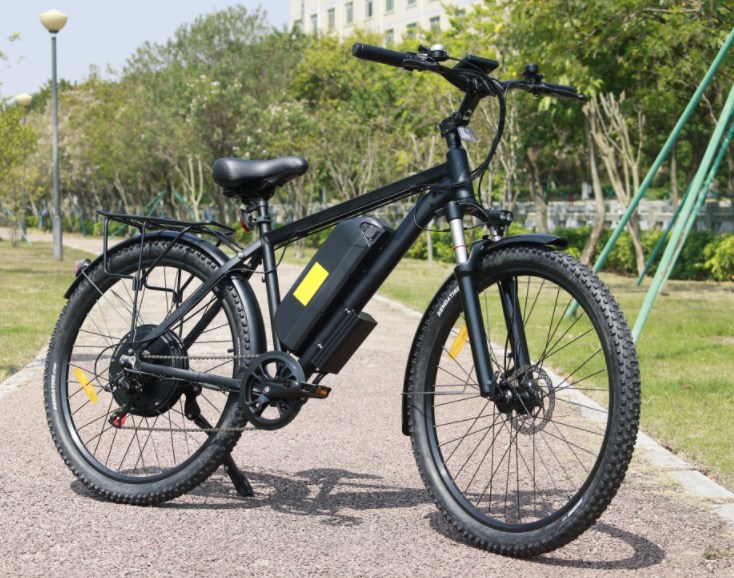
Real-world example: Imagine riding a 250-watt ebikes for adults electrical bike along a paved bike path in a suburban neighborhood. The motor assists effortlessly when pedaling against slight inclines or headwinds, while maintaining a steady pace during long stretches of flat road. For short commutes of 5–10 miles (8–16 kilometers), this setup works exceptionally well.
 Hilly Terrain and Off-Road Riding
While 250 watts suffices for flat terrains, its limitations become apparent when faced with hilly or mountainous landscapes. Let’s examine why:
- Torque Requirements: Climbing steep hills requires significant torque to overcome gravitational forces. Unfortunately, 250-watt motors often lack the necessary power to handle sustained climbs without requiring substantial input from the rider. This can lead to fatigue, especially during prolonged rides.
- Weight Considerations: If you’re carrying additional weight—such as groceries, luggage, or even another person—the burden on the motor increases exponentially. Under such circumstances, a 250-watt motor might struggle to maintain consistent performance.
Alternative solutions: Riders frequently traversing hilly areas should consider upgrading to a 350-watt or 500-watt motor. These motors provide greater torque and improved climbing capabilities, ensuring a smoother ride regardless of elevation changes. Additionally, fat-tire e-bikes equipped with mid-drive motors are specifically designed for tackling rough terrains, offering enhanced stability and traction.
Rider Weight and Performance
Another critical factor influencing the adequacy of a 250-watt motor is the rider’s weight. Heavier individuals place greater demands on the motor, potentially diminishing its effectiveness. To illustrate:
- Lightweight Riders: Individuals weighing less than 150 pounds (70 kg) typically find 250 watts ample for most riding scenarios. The lighter load allows the motor to perform efficiently, minimizing the need for manual effort.
- Heavier Riders: Conversely, those exceeding 200 pounds (90 kg) may notice a noticeable drop in performance when using a 250-watt motor. Tasks like accelerating from a standstill or conquering steep inclines could require significantly more exertion from the rider.
Tip: If you fall into the heavier category but still prefer a 250-watt motor, consider investing in a high-capacity battery. Extra battery power can compensate somewhat for the motor’s limitations by extending the duration of assistance before requiring recharging.
Legal Regulations and Compliance
One of the primary reasons 250-watt motors remain so popular is their alignment with legal regulations governing e-bikes in numerous countries. Specifically:
- European Union Standards: Within the EU, e-bikes featuring motors up to 250 watts are classified as bicycles rather than motor vehicles. This distinction exempts them from licensing requirements, registration fees, and helmet mandates, making them accessible to a broader audience.
- North American Variations: Although North America lacks uniform federal standards, many states adopt similar classifications. Some regions permit slightly higher wattages (e.g., 350 watts) for Class 1 e-bikes, provided they adhere to specific speed restrictions.
By choosing a 250-watt motor, you ensure compliance with local laws while avoiding potential complications associated with higher-powered models. Moreover, lower wattage translates to reduced noise pollution, fostering positive interactions with fellow cyclists and pedestrians.
 Cruising Speed Expectations
As mentioned earlier, 250-watt motors excel at providing moderate cruising speeds suitable for most recreational and practical purposes. However, if your aspirations involve high-speed thrills or competitive racing, this motor size may disappoint. Key points include:
- Top Speed Limitations: Most 250-watt e-bikes cap assisted speeds around 15–20 mph (24–32 km/h). Beyond this threshold, the motor disengages entirely, leaving further acceleration dependent solely on pedal power.
- Pedal Assist Levels: Modern e-bikes feature adjustable pedal assist settings, enabling users to fine-tune assistance according to preference. Even within the confines of 250 watts, advanced systems allow customization to optimize efficiency and enjoyment.
For thrill-seekers seeking rapid acceleration and top speeds exceeding 25 mph (40 km/h), exploring alternative motor configurations becomes necessary. High-performance e-bikes boasting 750-watt or even 1,000-watt motors cater precisely to these desires, albeit at increased cost and complexity.
Additional Factors Influencing Suitability
Beyond wattage alone, several other elements contribute to determining whether a 250-watt motor suits your needs:
- Battery Capacity: Larger batteries extend range, mitigating concerns regarding insufficient motor power. For instance, pairing a 250-watt motor with a 500Wh battery yields superior results compared to combining it with a smaller 250Wh unit.
- Motor Type: Hub motors versus mid-drive motors exhibit distinct characteristics affecting overall performance. Mid-drive motors integrate directly with the crankset, distributing power more evenly across gears and enhancing hill-climbing abilities. Meanwhile, hub motors prioritize simplicity and ease of maintenance.
- Frame Design: Lightweight aluminum frames reduce overall vehicle mass, easing the workload placed upon the motor. Similarly, aerodynamic components minimize wind resistance, improving efficiency.
- Tire Selection: Wide tires enhance grip and shock absorption but increase rolling resistance, demanding extra effort from the motor. Narrower, slicker tires strike a compromise between comfort and speed.
Final Thoughts
To summarize, a 250-watt motor proves eminently capable for many e-bike applications, particularly those centered around urban commuting and leisurely rides on predominantly flat surfaces. Its compliance with stringent regulatory frameworks enhances accessibility, rendering it a practical choice for countless enthusiasts worldwide. Nevertheless, certain scenarios—such as rugged off-roading or transporting heavy loads—demand greater power outputs achievable only through adoption of higher wattage alternatives.