 Shuangye ebike

If you’re looking to make your ebike electric bike faster, there are several approaches you can take. However, it’s important to note that modifying an eBike for increased speed may void warranties, violate local regulations, or compromise safety. Always ensure that any modifications comply with legal limits in your area and prioritize safe operation. Below is a comprehensive guide on how to make your eBike faster, expanded into greater detail.
1. Upgrade the Motor
The motor is the heart of your eBike, and upgrading it can significantly boost performance.
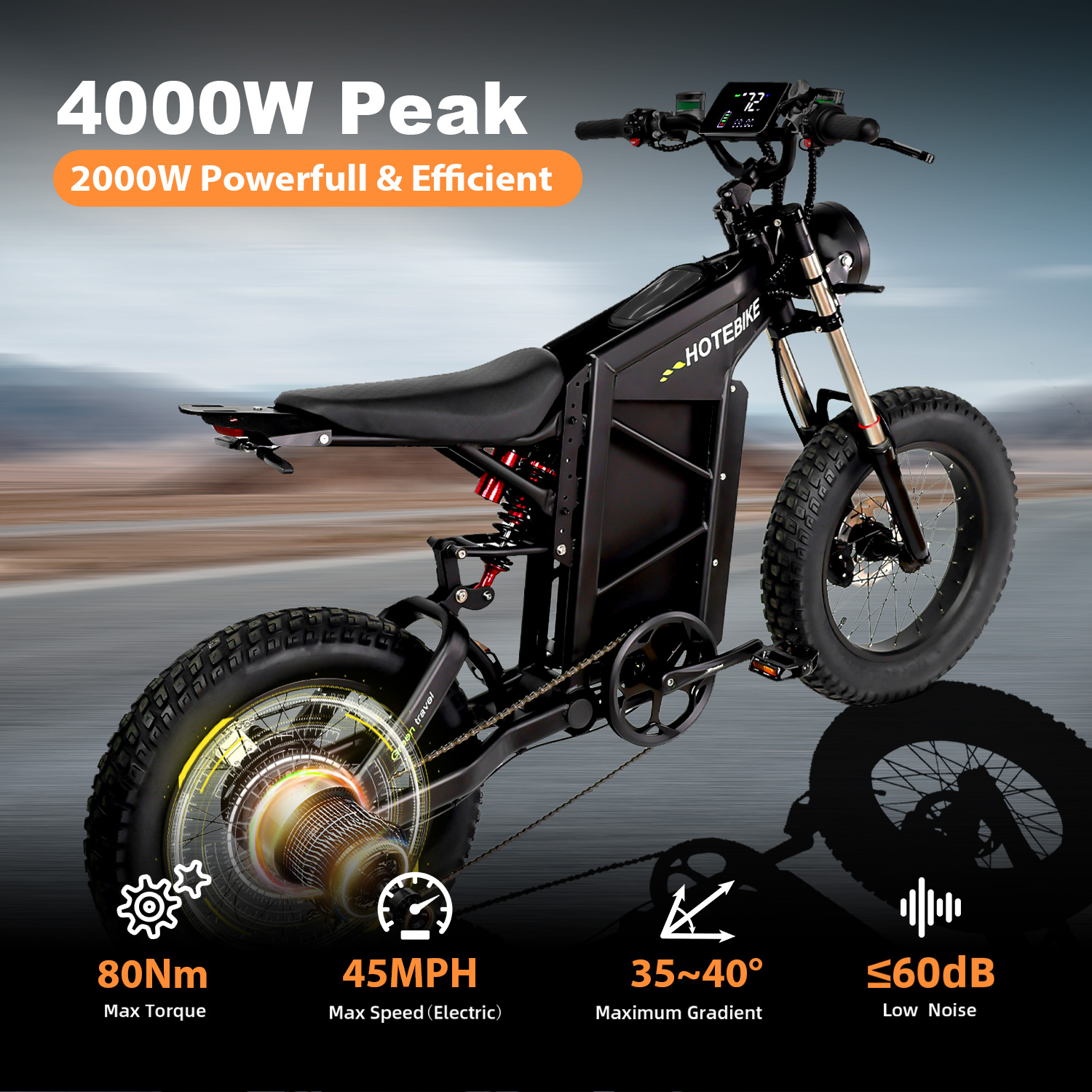
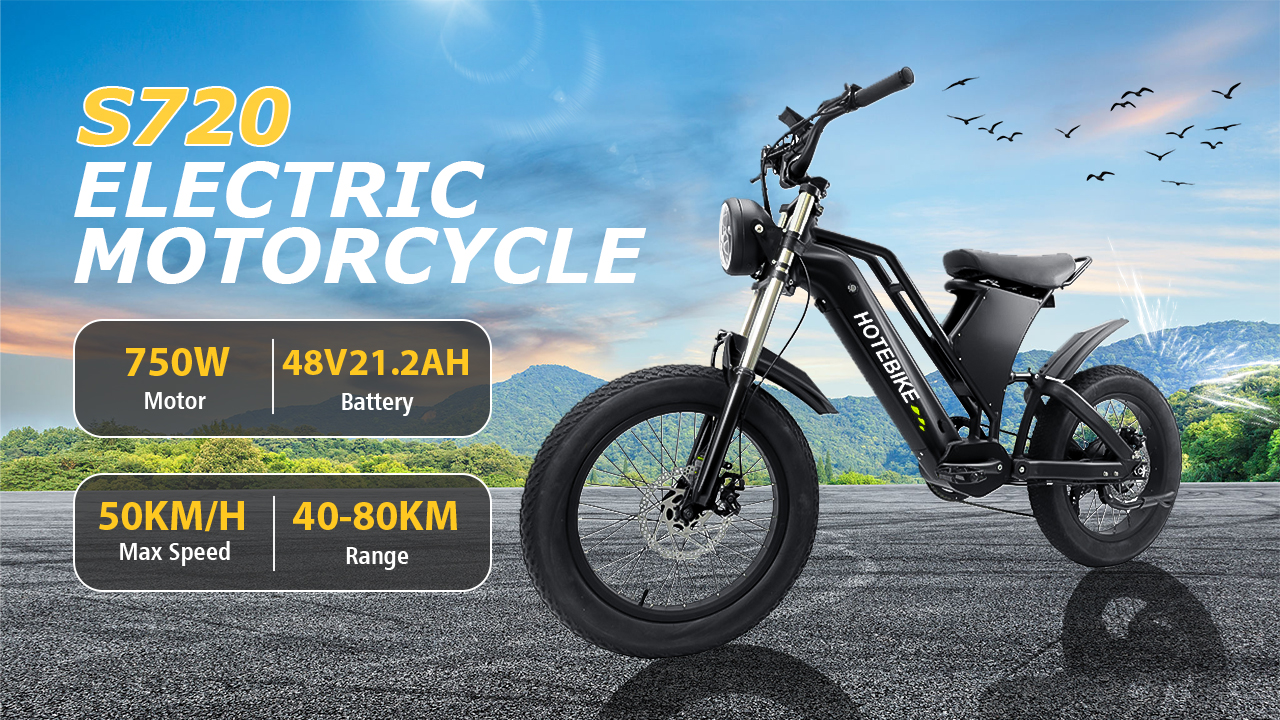
- Higher-Watt Motors: One of the most effective ways to increase the speed of your eBike is by installing a more powerful motor. For instance, if your current motor has a 250W rating (common in many commuter eBikes), consider upgrading to a 500W or even 750W motor. A higher-wattage motor will provide greater torque and acceleration, allowing you to reach higher speeds more easily. Keep in mind that this upgrade may also require changes to other components, such as the controller and battery, to ensure compatibility.
- Mid-Drive vs. Hub Motors: The type of motor you choose can also impact performance. Mid-drive motors, which are positioned near the bottom bracket of the bike, tend to offer better efficiency and climbing ability compared to hub motors. This is because mid-drive systems work in tandem with the bike’s gears, providing more consistent power delivery across different terrains. If possible, switching to a mid-drive system could enhance overall performance, especially when tackling steep inclines or maintaining high speeds on flat surfaces.
- Professional Installation: Modifying or upgrading the motor should be done by a professional technician to ensure proper installation and avoid potential hazards like overheating or electrical malfunctions. Attempting this process yourself without adequate knowledge could lead to costly repairs or even render your eBike unusable.
2. Adjust the Controller Settings
The controller manages the power output of your eBike electric bike. Tweaking its settings can unleash hidden potential.
- Unlock Hidden Speeds: Many eBikes come with built-in speed limits due to regulatory requirements. These limits are often enforced through firmware restrictions programmed into the controller. Some controllers allow firmware updates or reprogramming to increase these limits. By unlocking these hidden speeds, you can potentially raise the top speed of your eBike beyond its factory specifications. Be cautious, however, as exceeding legal limits may result in penalties or fines depending on where you live.
- Third-Party Controllers: For advanced users who want to push their eBike to its limits, installing a custom controller designed for higher speeds is another option. These third-party controllers are specifically engineered to deliver more power to the motor while maintaining stability. Again, consulting a professional or experienced eBike enthusiast is highly recommended to ensure safe and effective installation.
3. Optimize the Battery
A stronger battery can deliver more power to the motor, enabling faster acceleration and sustained high speeds.
- Higher Voltage Batteries: Increasing the voltage of your battery (e.g., from 36V to 48V or 52V) can improve performance. Higher voltage provides more energy to the motor without increasing current draw, resulting in smoother and more powerful acceleration. When selecting a new battery, ensure it is compatible with your existing motor and controller setup to prevent damage or inefficiency.
- Larger Capacity: While not directly related to speed, a larger-capacity battery ensures your eBike maintains peak performance for longer distances. This means you won’t have to worry about running out of power midway through a long ride, allowing you to fully utilize the enhanced speed capabilities of your upgraded eBike.
- Quality Matters: Invest in a high-quality lithium-ion battery from a reputable manufacturer to avoid overheating or other issues. Cheaper batteries may seem appealing at first glance, but they often lack the durability and reliability needed for high-performance applications. Additionally, always follow proper charging practices to extend the lifespan of your battery and maintain optimal performance.
4. Reduce Rolling Resistance
Minimizing friction between the tires and the ground can help your eBike maintain higher speeds.
- Narrower Tires: Switching to narrower, smoother tires reduces rolling resistance. Look for road bike-style tires instead of knobby ones meant for off-road use. Narrower tires create less surface contact with the ground, minimizing the drag that slows down your eBike. This change is particularly beneficial for urban commuting or paved trail riding, where smooth roads prevail.
- Proper Tire Pressure: Inflate your tires to their maximum recommended pressure. This decreases deformation and drag, allowing the wheels to spin more freely. Underinflated tires increase rolling resistance and reduce overall efficiency, making it harder for your eBike to achieve higher speeds. Regularly check tire pressure before each ride to ensure optimal performance.
- Lightweight Wheels: Upgrading to lighter, stiffer wheelsets can also contribute to improved speed and handling. Lightweight wheels reduce rotational mass, meaning it takes less effort for the motor to accelerate the bike. This upgrade is especially noticeable during rapid accelerations or when climbing hills.
5. Minimize Weight
Reducing the overall weight of your eBike makes it easier for the motor to accelerate and sustain higher speeds.
- Remove Unnecessary Accessories: Take off any heavy items like cargo racks, water bottles, or extra batteries unless absolutely necessary. Every additional pound adds to the workload of the motor, reducing its ability to generate speed efficiently. Focus on carrying only essential gear during rides to keep the load minimal.
- Lightweight Components: Replace heavier parts such as frames, saddles, or handlebars with lighter alternatives made from materials like aluminum or carbon fiber. Modern eBikes often feature lightweight yet durable frames designed to balance strength and performance. Swapping out bulky components for sleeker versions can shave off significant weight, enhancing both speed and agility.
- Pack Light: Avoid carrying unnecessary baggage during rides to keep the load minimal. Even small adjustments, such as leaving behind non-essential tools or clothing layers, can add up over time and make a noticeable difference in your eBike’s speed.
6. Improve Aerodynamics
Air resistance becomes increasingly significant at higher speeds. Enhancing aerodynamics can help your eBike cut through the wind more efficiently.
- Streamlined Position: Adopt a more aerodynamic riding position by lowering your torso and keeping your arms close to your body. This reduces the frontal area exposed to wind resistance, allowing you to glide forward with less effort. Practicing good posture not only improves speed but also enhances comfort during extended rides.
- Fairings or Covers: Install fairings or covers to reduce drag around the frame and components. Fairings are streamlined structures attached to the front of the bike, helping to channel airflow smoothly past the rider. While primarily seen in racing bikes, these accessories can be adapted for eBikes to achieve similar results.
- Clothing Choices: Wear tight-fitting cycling clothes rather than loose garments that catch the wind. Specialized jerseys and shorts designed for aerodynamic performance can minimize drag while offering ventilation and moisture-wicking properties for added comfort.
7. Maintain Your Bike Properly
Regular maintenance ensures your eBike operates at peak efficiency, which indirectly contributes to better speed.
- Clean and Lubricate the Chain: A well-maintained chain reduces friction and allows smoother power transfer from the pedals to the wheels. Clean the chain regularly using degreaser and apply fresh lubricant to ensure seamless operation. A dirty or improperly lubricated chain can sap power from the motor, reducing overall speed.
- Check Bearings: Ensure all bearings (hub, headset, bottom bracket) are properly lubricated and functioning smoothly. Bearings play a critical role in reducing friction within moving parts of the bike. Neglecting bearing maintenance can lead to increased resistance and decreased performance, so periodic inspections and servicing are crucial.
- Tune Gears: Keep gears clean and aligned for optimal shifting performance, especially under heavy loads. Misaligned gears can cause slippage or uneven power delivery, negatively impacting speed and acceleration. Use a derailleur adjustment tool to fine-tune your gear system and ensure smooth transitions between speeds.
8. Modify the Gear Ratio
Changing the gear ratio can affect how fast your eBike accelerates and how high its top speed is.
- Smaller Front Chainring: Using a smaller front chainring increases the gear ratio, making it easier to reach higher speeds. With fewer teeth on the front chainring, each pedal stroke translates to more rotations of the rear wheel, effectively raising the top speed of your eBike.
- Larger Rear Cog: Similarly, using a larger rear cog achieves the same effect by reducing the number of rotations needed per pedal stroke. This modification is particularly useful for achieving higher cruising speeds on flat terrain, though it may slightly diminish climbing ability.
9. Add Aftermarket Kits
For those willing to invest further, aftermarket kits specifically designed to enhance eBike performance are available.
- Speed Controllers: These devices override factory-imposed speed limits and allow riders to access higher speeds safely. Speed controllers often come with adjustable settings, giving you precise control over the maximum velocity your eBike can achieve.
- Boost Kits: Some kits include upgraded motors, controllers, and batteries bundled together for easy installation. These all-in-one solutions are ideal for riders seeking a comprehensive upgrade package without the hassle of sourcing individual components separately.
10. Follow Safety Protocols
When making your eBike faster, always prioritize safety to prevent accidents or damage.
- Wear Protective Gear: Helmets, gloves, knee pads, and elbow pads become even more critical at higher speeds. Injuries sustained during falls or collisions at elevated velocities can be severe, so investing in quality protective equipment is essential.
- Upgrade Brakes: Stronger brakes (e.g., hydraulic disc brakes) are essential to stop quickly and confidently. As your eBike gains speed, traditional rim brakes may struggle to provide sufficient stopping power, putting you at risk. Hydraulic disc brakes offer superior performance and reliability, ensuring safe deceleration even at high speeds.
- Test Gradually: After each modification, test your eBike incrementally to assess stability and control before pushing it to its limits. Sudden changes in performance can catch riders off guard, leading to potential accidents. Start with short, controlled rides to familiarize yourself with the new capabilities of your eBike.
Conclusion
Making your eBike faster involves a combination of mechanical upgrades, software adjustments, and optimization techniques. From enhancing the motor and battery to reducing weight and improving aerodynamics, there are numerous ways to boost performance. However, remember to adhere to local laws regarding eBike speeds and exercise caution when performing modifications. With careful planning and execution, you can enjoy a faster, more exhilarating ride while staying safe and compliant. Whether you’re commuting, exploring trails, or simply looking to push the boundaries of what your eBike can do, these tips will help you unlock its full potential.