 Shuangye ebike

Electric bikes, or e-bikes, have rapidly gained popularity due to their unique combination of convenience, eco-friendliness, and accessibility. They offer a compelling alternative to traditional bicycles and motor vehicles, making them an attractive option for commuters, recreational riders, and fitness enthusiasts alike. Below is an in-depth exploration of the numerous advantages that e-bikes provide, expanding on why they are becoming an increasingly popular choice worldwide.
1. Enhanced Accessibility and Inclusivity
One of the most significant advantages of e-bikes is their ability to make cycling accessible to a broader audience, including individuals who may not otherwise consider riding a traditional bike.
- Reduced Physical Strain: E-bikes feature pedal-assist or throttle systems that provide motorized assistance, reducing the physical effort required to ride. This makes cycling possible for people with mobility issues, injuries, or limited stamina.
- Encouraging Active Lifestyles: For those new to exercise or returning after a break, e-bikes serve as a gentle introduction to physical activity. The motor support allows users to build endurance gradually without feeling overwhelmed.
- Age-Inclusive Design: Older adults can benefit significantly from e-bikes, as they reduce strain on joints and muscles while still promoting cardiovascular health.
2. Eco-Friendly Transportation
E-bikes represent a sustainable mode of transportation, contributing positively to environmental conservation.
- Lower Carbon Footprint: Unlike cars or motorcycles, electric assist bikes produce zero direct emissions during operation. Even when accounting for the electricity used to charge their batteries, e-bikes remain far more environmentally friendly than fossil fuel-powered vehicles.
- Energy Efficiency: Studies show that e-bikes consume significantly less energy per mile traveled compared to cars, buses, or even trains. Their lightweight design and efficient motors maximize energy use, minimizing waste.
- Promoting Sustainable Urban Living: As cities grapple with congestion and pollution, e-bikes offer a practical solution for short-to-medium distance travel, reducing reliance on polluting modes of transport.
 3. Cost-Effective Over Time
While the upfront cost of an e-bike may be higher than that of a traditional bike, it offers long-term financial benefits.
- Fuel Savings: E-bikes eliminate the need for gasoline, saving users money on fuel costs. With rising gas prices, this advantage becomes increasingly appealing.
- Maintenance Costs: Compared to cars, e-bikes require minimal maintenance. Routine upkeep involves checking tires, brakes, and chains, along with occasional battery replacements—costs that pale in comparison to car repairs or insurance premiums.
- No Licensing or Registration Fees: In most regions, e-bikes do not require licensing, registration, or insurance, further reducing ownership expenses.
4. Increased Range and Versatility
E-bikes extend the range and versatility of traditional bikes, making them suitable for various terrains and purposes.
- Longer Distances Without Fatigue: With motor assistance, riders can cover longer distances without exhausting themselves. This makes e-bikes ideal for daily commutes, weekend adventures, or exploring remote areas.
- Hill Climbing Made Easy: One of the biggest challenges for traditional cyclists is conquering steep inclines. E-bikes overcome this obstacle by providing extra power when needed, ensuring smooth ascents even on challenging terrain.
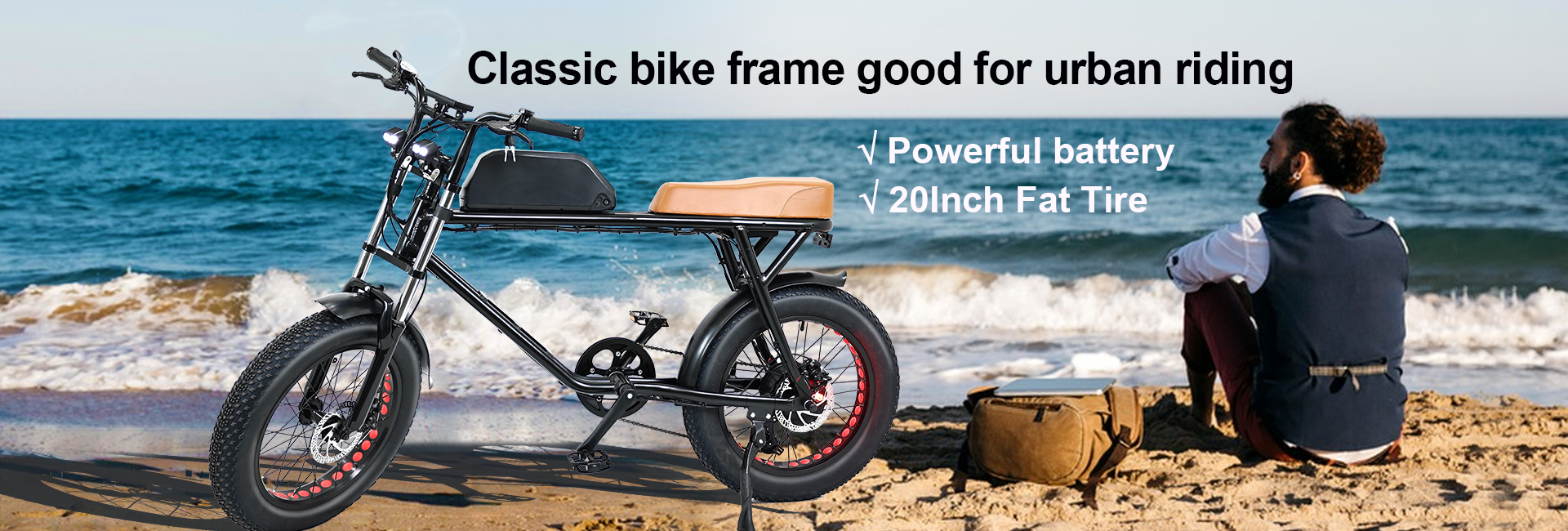
- All-Terrain Capability: Many modern e-bikes are designed for off-road use, featuring rugged frames, fat tires, and powerful motors capable of navigating trails, sand, snow, or mud.
5. Health Benefits
Despite offering motor assistance, e-bikes still promote physical activity and contribute to overall well-being.
- Balanced Workload: Riders can adjust the level of pedal assist to suit their fitness goals. For example, using lower levels of assistance encourages more personal effort, while higher levels provide relief during demanding sections of a ride.
- Cardiovascular Fitness: Regular e-biking improves heart health, strengthens muscles, and enhances endurance. Research shows that e-bike users experience similar health benefits to traditional cyclists over time.
- Mental Well-being: Cycling outdoors reduces stress, boosts mood, and improves mental clarity. E-bikes allow more people to enjoy these psychological benefits by removing barriers such as fear of exhaustion or difficulty.
6. Convenience and Flexibility
Electric vehicle bike combine the flexibility of bicycles with the convenience of motorized vehicles, offering unparalleled versatility.
- Door-to-Door Travel: Unlike public transit, which often requires walking to stations or waiting for schedules, e-bikes enable direct travel from one location to another. This saves time and eliminates dependency on external factors.
- Easy Parking: E-bikes take up minimal space and can be parked almost anywhere, avoiding the hassle of finding parking spots for cars. Some models even fold down for compact storage.
- Customizable Riding Modes: Most e-bikes come equipped with multiple riding modes (e.g., Eco, Standard, Turbo), allowing users to tailor their experience based on terrain, weather conditions, or personal preference.

7. Technological Advancements
Modern e-bikes incorporate cutting-edge technology, enhancing both performance and user experience.
- Smart Features: Many e-bikes now feature integrated apps, GPS navigation, fitness tracking, and real-time data monitoring. These innovations help riders optimize their journeys and stay connected.
- Lightweight Materials: Advances in materials science have led to the development of lighter yet stronger frames made from aluminum, carbon fiber, or titanium. These materials improve maneuverability and reduce overall weight.
- Improved Battery Technology: Lithium-ion batteries, the standard for most e-bikes, offer high capacity, fast charging times, and extended lifespans. Innovations in battery chemistry continue to push the boundaries of what’s possible.
8. Social and Community Impact
Electric battery bike foster positive social interactions and community engagement.
- Encouraging Active Transport: By promoting cycling as a viable alternative to driving, e-bikes contribute to healthier communities with reduced traffic congestion and cleaner air quality.
- Connecting People: E-bikes enable friends and family members of varying fitness levels to enjoy rides together. Motor assistance ensures everyone can keep pace, fostering shared experiences and bonding opportunities.
- Supporting Local Economies: The growing demand for e-bikes supports local businesses involved in manufacturing, retail, repair services, and accessories production.
9. Adaptability Across Demographics
E-bikes cater to diverse demographics, addressing the needs of different age groups, lifestyles, and professions.
- Commuters: For urban dwellers, e-bikes provide a quick, affordable, and sweat-free way to navigate busy streets. Foldable models are especially convenient for combining with public transit.
- Recreational Riders: Adventure seekers appreciate the all-terrain capabilities of e-mountain bikes, enabling exploration of rugged landscapes previously inaccessible on foot or traditional bikes.
- Families: Cargo e-bikes allow parents to transport children, groceries, or other items safely and efficiently, transforming everyday errands into enjoyable family outings.
- Professionals: Delivery drivers and couriers benefit from the speed and carrying capacity of e-bikes, improving productivity while reducing operational costs.
10. Positive Environmental and Economic Effects at Scale
When adopted en masse, e-bikes can produce substantial environmental and economic impacts:
- Reduction in Vehicle Miles Traveled (VMT): Widespread adoption of e-bikes could decrease the number of short trips taken by cars, alleviating traffic congestion and lowering greenhouse gas emissions.
- Job Creation: The burgeoning e-bike industry creates employment opportunities in manufacturing, sales, service, and infrastructure development.
- Infrastructure Investment: Increased e-bike usage encourages investment in cycling-friendly infrastructure, such as dedicated lanes, secure parking facilities, and charging stations.
Conclusion
The advantages of e-bikes span across multiple dimensions, including accessibility, sustainability, cost-effectiveness, health benefits, and technological innovation. By bridging the gap between traditional bicycles and motor vehicles, e-bikes offer a versatile solution for modern transportation needs. Whether you’re commuting to work, embarking on outdoor adventures, or simply seeking a healthier lifestyle, e-bikes provide unmatched convenience, efficiency, and enjoyment.
As technology continues to evolve and awareness grows, the potential of e-bikes to transform individual lives and entire communities becomes increasingly evident. Embracing this innovative mode of transport not only enhances personal well-being but also contributes to a greener, more sustainable future for all.