 Shuangye ebike

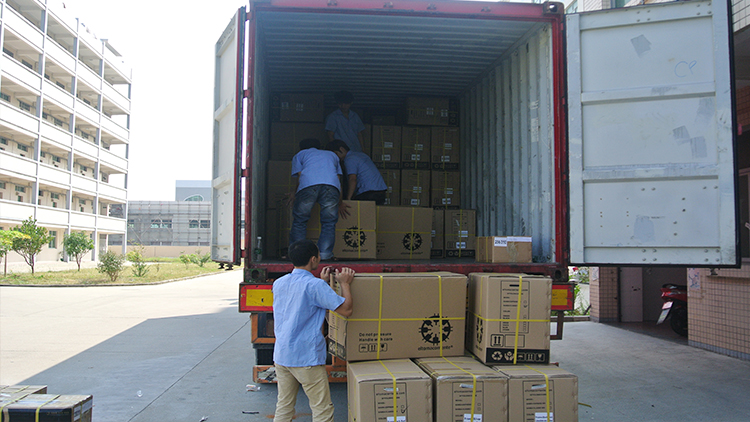 Your ebikes are ready. Your container is booked. Then customs asks for one missing document.
Sound familiar? You are not alone. This is a common concern for B2B ebike buyers. Ebike import customs clearance involves more than shipping paperwork. Battery documents, product classification, safety standards, HS codes, and local rules can all affect your shipment.
A small mistake may lead to delays or extra costs. So, it is better to prepare before your ebikes leave the factory. In this guide, we will look at the key points for ebike import customs clearance in the EU, North America, and Southeast Asia.
1. Why Ebike Import Customs Clearance Can Be Difficult
Electric bikes combine several parts that may have different compliance requirements. The battery is one of the most important parts. At the same time, the motor, electrical system, and bicycle itself may also need to meet local rules.
Here are some key points to check before shipping:
1.Battery documents.
Lithium batteries have special transport requirements. Make sure the required battery test and shipping documents are ready before shipment.
2.Product classification.
An ebike may be classified based on its motor power, speed, and other features. The classification can affect import rules and duties.
3.HS code.
The correct HS code is important for customs declaration. A wrong code may cause delays or unexpected costs.
4.Product compliance.
Different markets have different safety and technical requirements. CE, UL-related standards, and local requirements may all need to be checked.
5.Shipping documents.
Commercial invoices, packing lists, battery documents, and other export documents should match the actual products.
For this reason, this electric bike import compliance work should start before you place an order, not only when the goods reach the port.
2. Ebike Import Customs Clearance in the EU
The EU is an important market for electric bikes. However, buyers need to check both product compliance and import requirements before shipping.
Here are some key points to consider:
1.CE compliance.
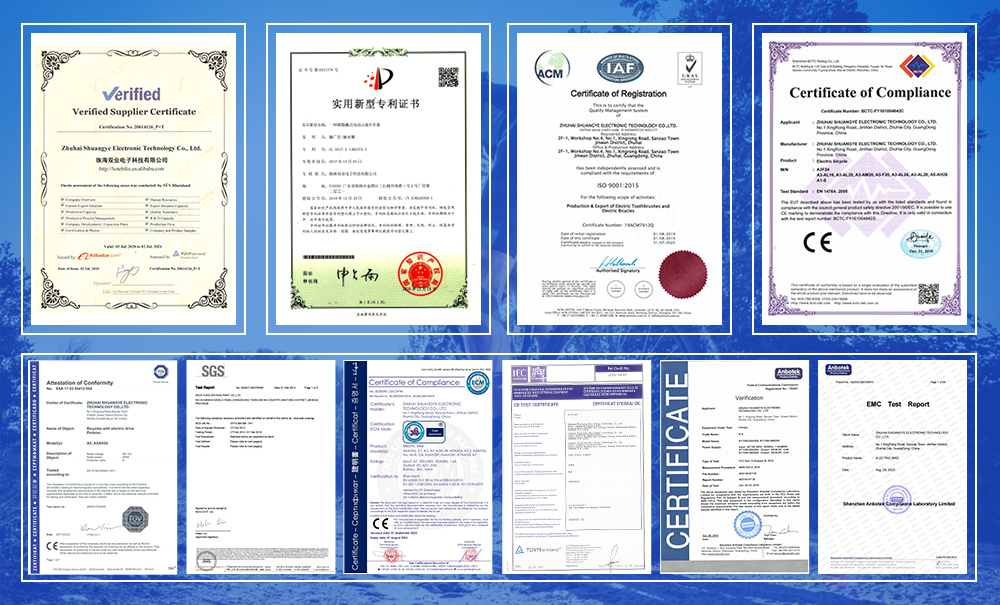
Ebikes sold in the EU need to meet the applicable EU requirements. EN 15194 is an important standard for EPACs (Electrically Power Assisted Cycles). Confirm the required compliance documents before shipment.
2.Battery documents.
Lithium batteries are subject to transport rules. Required test and transport documents should be prepared before the goods are shipped.
3.EPR requirements.
Depending on the country and product category, Extended Producer Responsibility registration may be required. Check the rules in your target country.
4.HS code and customs value.
The HS code and declared value should be checked before shipping. This helps reduce the risk of customs questions and unexpected costs.
5.Country-specific rules.
EU countries share many common rules, but some requirements can still differ. Therefore, do not assume that the same process applies to every EU country.
For smoother EU ebike customs clearance, confirm the required documents with your supplier, freight forwarder, and local customs or compliance partner before shipment.
3. Ebike Import Customs Clearance in North America
North America is another major market for electric bikes. However, the US and Canada do not have exactly the same requirements.
For the US market, it is worth checking the following:
1.Electrical safety.
UL 2849 is an important safety standard for ebike electrical systems. Some retailers, distributors, and marketplaces may require products to meet this standard.
2.CPSC requirements.
Electric bikes sold in the US need to follow applicable Consumer Product Safety Commission requirements. Product and battery safety should be checked before import.
3.Ebike classification.
US ebikes are commonly grouped into Class 1, Class 2, and Class 3. Motor power, speed, and pedal-assist features can affect the classification.
4.Tariffs and duties.
Import duties and tariffs can change. Check the current rates before placing an order and confirm the correct customs classification.
5.Canada requirements.
Canada has its own product and import requirements. Do not assume that US compliance automatically covers the Canadian market.
Good preparation can make North America ebike import compliance much easier. Before shipping, confirm the product specifications, required documents, HS code, and current import costs.
4. Ebike Import Customs Clearance in Southeast Asia
Southeast Asia is a growing market for electric bikes. However, the region includes many different countries. As a result, clearing ebike shipments can vary from one market to another.
It is worth paying attention to these areas:
1.Local certification.
Countries such as Vietnam and Thailand may have their own product and safety requirements. Check the rules for your target country before ordering.
2.Import requirements.
Some electric vehicles and battery-powered products may require additional import documents or approvals.
3.Product labeling.
Local labeling rules may apply. Product information, safety warnings, and other details may need to meet local requirements.
4.Battery regulations.
Battery transport rules should be confirmed before shipping. This is especially important when choosing air or sea transportation.
5.Local customs practice.
Customs procedures can vary between countries and ports. An experienced freight forwarder can help identify possible problems before the shipment arrives.
The key point is simple: do not use one customs plan for all Southeast Asian markets. Check the import requirements for each country before you ship.
5. How to Make Ebike Import Customs Clearance Easier
The easiest way to reduce customs problems is to prepare early. You do not need to wait until your container reaches the port.
Before your next shipment, check these points:
1.Confirm the HS code and classification.
Make sure the product classification is correct before shipping, since this affects both duties and required documents.
2.Prepare battery and compliance documents early.
Ask your supplier for the required battery test reports and market certificates before production is finished.
3.Share documents with your forwarder.
Give your freight forwarder the key documents before shipment, so they can flag potential issues early.
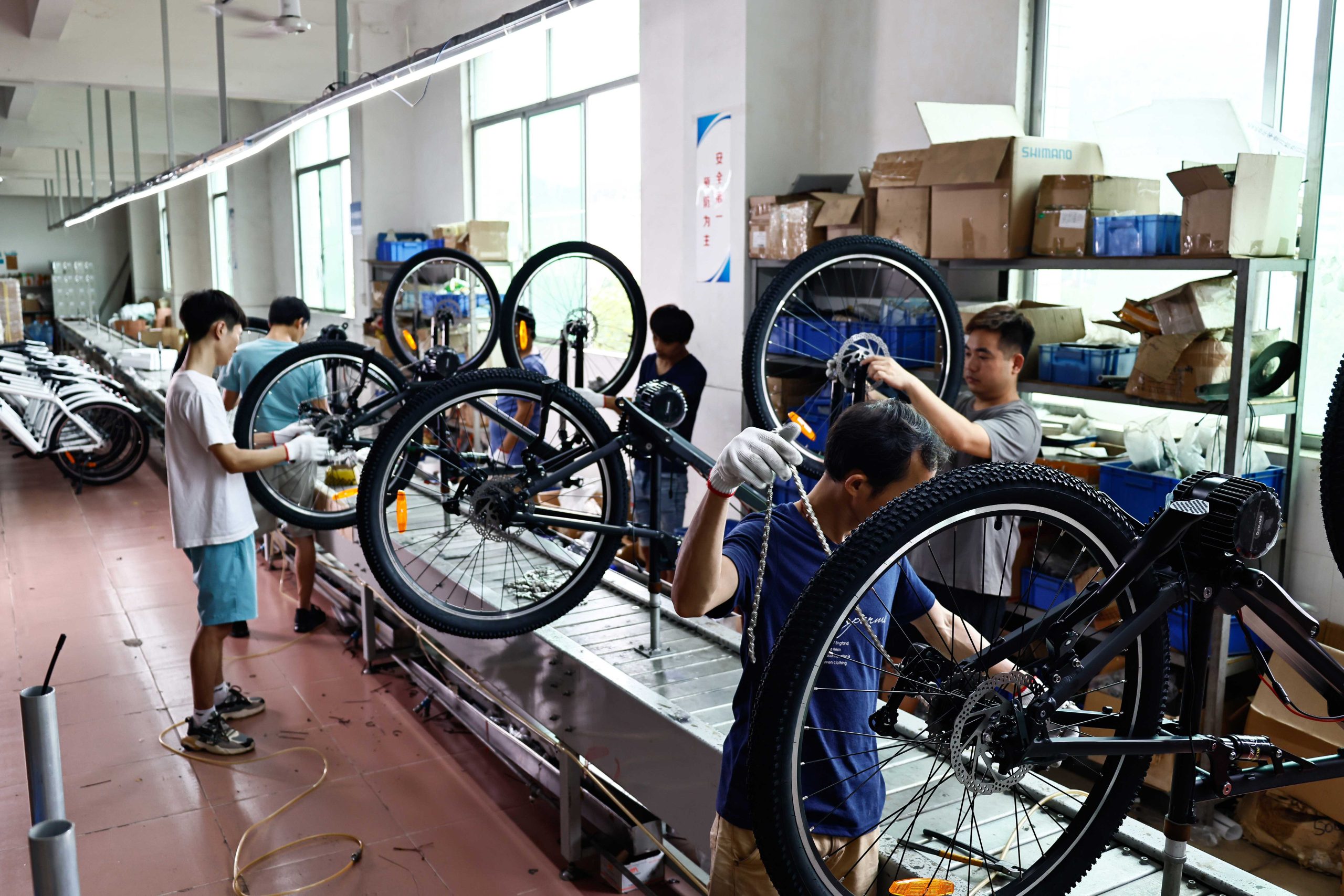
At ZHSYDZ, we work with B2B ebike buyers and prepare export-ready electric bikes for different markets. We support buyers with product specifications, battery documents, compliance information, and export preparation, so ebike import customs clearance does not become a last-minute problem.
The earlier you check the requirements, the easier it is to control your cost, schedule, and shipment. Talk to our team about your target market, and we will help you map out the exact documents you need before production starts.