 Shuangye ebike

Understanding lithium battery shipping regulations is essential before you export batteries or battery-powered products. A shipment can be delayed because of missing documents, incorrect labels, or an outdated UN38.3 test summary. These delays cost time and money, and they are usually avoidable. Therefore, learning the basic rules early can save your business a lot of trouble later.
Why Lithium Battery Shipping Regulations Matter
Lithium batteries can create safety risks if they are damaged, poorly packed, or handled incorrectly. This is why lithium battery shipping regulations exist. Different transport methods also come with different requirements, so the rules are not always the same from one shipment to the next.
Before shipping, you should confirm:
1.Whether the shipment will go by air, sea, or road.
2.Whether the battery is shipped alone, with equipment, or inside equipment.
3.What packaging, labeling, and quantity rules apply.
For example, a battery packed inside a finished product, like an e-bike, follows different rules than a loose battery shipped on its own. These factors affect the documents and packaging you need, so checking them early helps you avoid delays.

UN38.3 Testing and Lithium Battery Shipping Regulations
UN38.3 is one of the most important parts of lithium battery shipping regulations. It is part of the UN Manual of Tests and Criteria, and it checks how batteries perform under real transport conditions.
The testing covers areas such as:
1.Altitude simulation and temperature changes.
2.Vibration and shock.
3.External short circuit.
4.Impact, crush, overcharge, and forced discharge.
A valid UN38.3 test summary is a core requirement for international shipping. Most carriers will not accept a battery shipment without one. Because of this, it is best to confirm the test summary with your battery supplier before placing an order, not after the goods are ready to ship.
Documents Required Under Battery Shipping Rules
Good preparation makes compliance with lithium battery shipping regulations much easier. Depending on the product and transport method, common documents include:
1.UN38.3 test summary.
2.SDS or MSDS.
3.Correct shipping name and UN number, such as UN3480 or UN3481.
4.Correct battery labels, marks, and packaging information.
Your freight forwarder may request additional documents depending on the destination country. Rules can also vary between air carriers under IATA regulations and sea freight under IMO guidelines. So, it is worth confirming the full document list before the goods are packed and shipped, not while they are already at the port.
Common Mistakes That Break Compliance
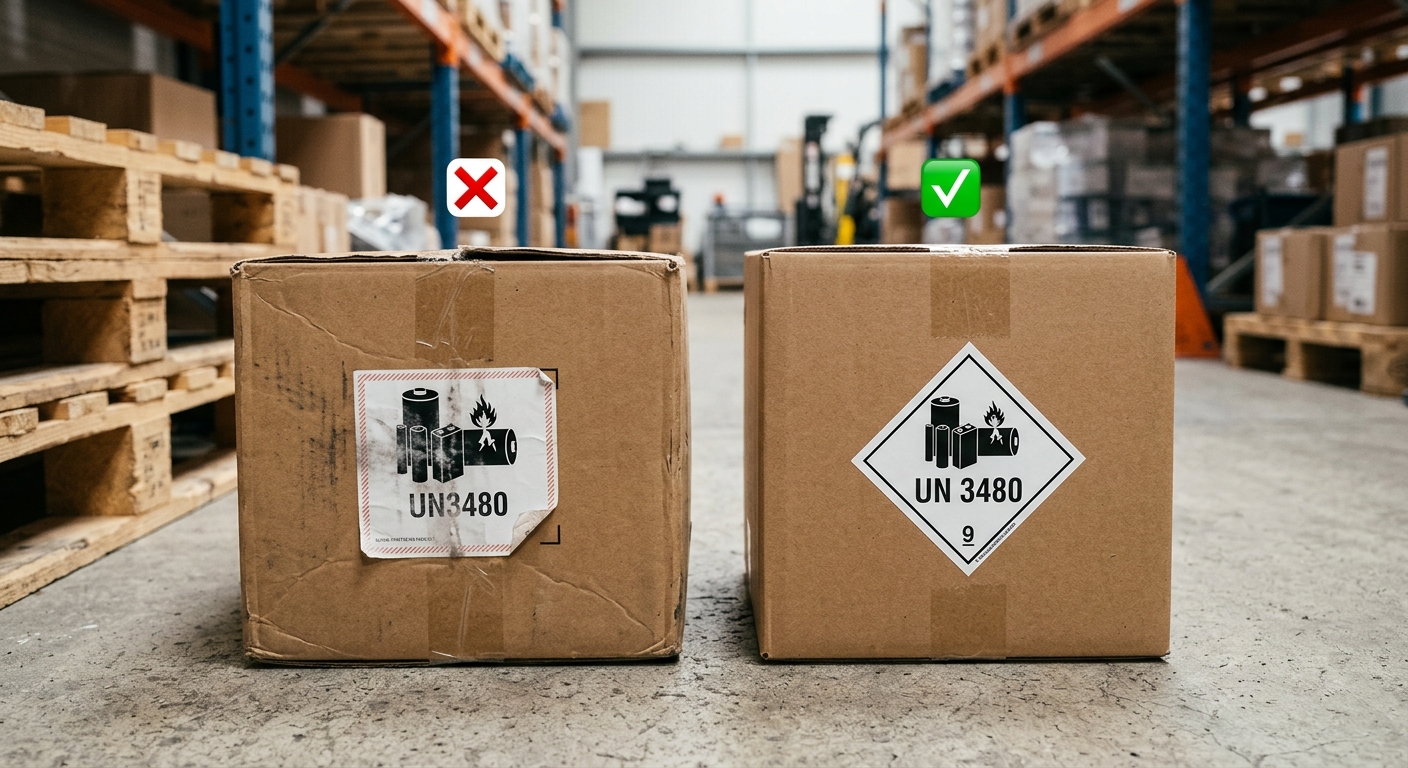
Many shipping problems come from a few repeated mistakes. Before shipment, check these points:
1.Make sure the UN38.3 test summary is valid and matches the exact battery model.
2.Check that labels, shipping marks, and packaging meet current requirements.
3.Confirm the battery’s watt-hour rating and any related transport limits.
4.Clearly identify whether the battery is shipped alone, with equipment, or inside equipment.
Even one incorrect label or missing document can result in a shipment being held, returned, or refused. These checks take only a few minutes but can save days of delay and unexpected shipping costs.
How ZHSYDZ Supports Compliant Lithium Battery Shipping
Understanding lithium battery shipping regulations is only the first step. You also need reliable documents and proper preparation before the goods leave the factory.
At ZHSYDZ, we provide full battery documentation support, including UN38.3 test summaries and SDS/MSDS documents for every product we supply. We also help confirm packaging and labeling requirements together with your logistics partner, so nothing gets missed before the shipment goes out.
Planning to ship e-bikes or lithium batteries internationally? Contact our team before your next shipment. The right compliance check today can help you avoid a costly shipping problem later.