 Shuangye ebike

Understanding Electric Bike Power Ratings
The wattage of an electric bike (eBike) is one of the most critical specifications when determining its performance. A 1000W eBike indicates that the motor is capable of delivering up to 1000 watts of power. This power rating plays a significant role in determining how fast the bike can travel under motor assistance alone.
What Does 1000W Mean?
A watt is a unit of power that measures the rate of energy transfer. In the context of eBikes, a higher wattage generally means more power available for acceleration, climbing hills, and maintaining higher speeds. For comparison:
- 250W eBikes: Commonly found in Europe, these bikes are designed for casual riding and typically have speed limits imposed by law.
- 500W eBikes: Popular in North America, offering moderate power for commuting and light off-road use.
- 750W eBikes: Often considered high-performance bikes, suitable for heavier riders or those who need extra torque.
- 1000W eBikes: These are powerful machines capable of handling demanding terrains, carrying heavy loads, and achieving impressive speeds.
Typical Speed Range of a 1000W eBike
Under ideal conditions, a 1000W eBike can reach speeds ranging from 20 to 40 mph (32 to 64 km/h) without pedaling. However, it’s essential to note that this range assumes optimal conditions, such as:
- Flat terrain
- Properly inflated tires
- Minimal wind resistance
- Average rider weight
In practice, many factors influence the actual top speed achieved by a 1000W eBike.
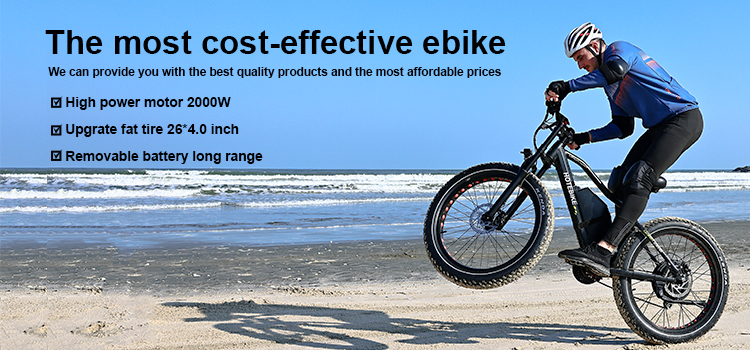 Factors Affecting Speed
- Motor Type:
- Hub motors: Found in either front-hub or rear-hub configurations, these motors provide direct drive or geared systems. Direct-drive hub motors tend to be quieter but may lack the responsiveness of geared motors.
- Mid-drive motors: Positioned near the crankset, mid-drive motors offer better weight distribution and improved efficiency on inclines. They also allow for smoother gear shifting, which can enhance overall speed control.
- Battery Capacity:
- While not directly affecting speed, the battery capacity determines how long the bike can sustain high power output before needing a recharge. Larger batteries (measured in watt-hours or Wh) enable longer rides at higher speeds.
- Example: A 1000W motor drawing full power would drain a 500Wh battery much faster than if it were operating at partial throttle.
- Weight:
- Rider and cargo weight significantly impact performance. Heavier loads require more energy to accelerate and maintain speed, potentially limiting the bike’s ability to reach its maximum potential.
- Lightweight frames made from materials like aluminum or carbon fiber can improve speed by reducing overall mass.
- Terrain:
- On flat surfaces, a 1000W eBike can easily achieve its top speed.
- Uphill climbs reduce speed due to increased gravitational force opposing forward motion. The advantage of a 1000W motor becomes evident here, as it provides ample torque to conquer steep grades.
- Tire Pressure and Size:
- Properly inflated tires minimize rolling resistance, allowing the bike to move more efficiently and reach higher speeds.
- Smaller, narrower tires with harder compounds are better suited for speed on paved roads, whereas larger, knobby tires are ideal for off-road adventures but come at the cost of reduced velocity.
- Wind Resistance:
- Aerodynamics play a crucial role in determining achievable speeds. Riding against strong headwinds increases drag, making it harder for the bike to maintain high velocities.
 Regulatory Considerations
Before purchasing or modifying a 1000W eBike, it’s vital to understand the legal framework governing their use in your region. Different countries and states impose varying restrictions on eBike classification based on power output and speed capabilities.
United States Classification System
The U.S. categorizes eBikes into three classes:
- Class 1: Pedal-assist only, no throttle, with assistance ceasing at 20 mph (32 km/h).
- Class 2: Throttle-assisted, with power cutting off at 20 mph (32 km/h).
- Class 3: Similar to Class 1 but allows speeds up to 28 mph (45 km/h), often requiring helmets.
A 1000W eBike might exceed these limits depending on its configuration. Some manufacturers design their bikes to comply with local regulations while still providing robust performance within allowed parameters.
European Union Regulations
In the EU, eBikes fall under two main categories:
- Pedelecs: Limited to 250W motors with pedal-assist stopping at 25 km/h (15.5 mph).
- Speed Pedelecs: Equipped with motors up to 500W, allowing speeds up to 45 km/h (28 mph). These bikes are classified as mopeds in some jurisdictions and may require licensing, insurance, and protective gear.
Performance Enhancements for 1000W eBikes
If you’re looking to maximize the speed of your 1000W eBike, consider the following enhancements:
- Lightweight Components:
- Upgrading to lighter frame materials or accessories can help reduce overall weight, enabling faster acceleration and higher top speeds.
- Efficient Tires:
- Switching to slick, narrow tires optimized for road use reduces rolling resistance and improves speed on smooth surfaces.
- Aerodynamic Positioning:
- Adjusting your posture while riding to minimize frontal area can decrease wind resistance, helping the bike maintain higher velocities.
- Custom Firmware:
- Some advanced users modify the bike’s firmware to unlock hidden performance settings or bypass built-in speed governors. Note that this approach may void warranties and could lead to non-compliance with regional laws.
- Higher Voltage Batteries:
- Increasing the voltage supplied to the motor can boost power delivery, though this requires careful consideration of compatibility and safety concerns.
Safety Precautions When Riding Fast eBikes
Achieving high speeds on a 1000W eBike comes with inherent risks. Here are some tips to ensure safe operation:
- Always wear appropriate protective gear, including helmets, gloves, and padded clothing.
- Familiarize yourself with the bike’s controls and braking system before attempting high-speed rides.
- Be mindful of traffic rules and share the road responsibly with other vehicles and pedestrians.
- Regularly inspect and maintain the bike’s components, especially brakes and tires, to prevent accidents.
Conclusion
A 1000W eBike represents a powerful and versatile mode of transportation capable of reaching impressive speeds under optimal conditions. While the theoretical top speed may range between 20 and 40 mph (32 to 64 km/h), real-world performance depends on numerous variables, including motor type, battery capacity, rider weight, terrain, and regulatory constraints. By understanding these factors and adhering to safety guidelines, you can fully enjoy the exhilarating experience of riding a high-performance eBike while staying compliant with local laws.
Whether used for commuting, recreational purposes, or tackling challenging terrains, a well-maintained 1000W eBike offers unmatched versatility and excitement for enthusiasts across all skill levels.