 Shuangye ebike

Electric bikes (e-bikes) have rapidly gained popularity, offering an efficient and fun way to commute, exercise, and enjoy outdoor adventures. However, many first-time riders often wonder: Is it harder to pedal an electric bike? The answer depends on various factors, including the bike’s motor, the level of assistance, the type of tires, and the terrain you’re riding on. In this blog, we’ll break down everything you need to know about pedaling an e-bike and why it’s not necessarily harder than pedaling a traditional bike.
The Mechanics Behind E-Bike Electric
E-bikes, or electric bikes, are bicycles equipped with an electric motor that assists the rider during pedaling. This assistance comes in the form of a boost provided by the motor when the rider pedals, making the effort required to move forward significantly less than on a traditional bike. The motor can be powered in two main ways: through pedal-assist (where the motor activates automatically as you pedal) or throttle control (where the rider can engage the motor without pedaling).
The core component of an e-bike is its battery-powered motor system. These motors come in different types, including hub motors located in the wheels and mid-drive motors positioned near the crankset. Hub motors tend to provide direct propulsion to the wheel, while mid-drive motors integrate more seamlessly with the bike’s drivetrain, offering a more natural riding experience. Both systems aim to reduce the physical strain on the rider by providing varying levels of assistance based on the rider’s needs.
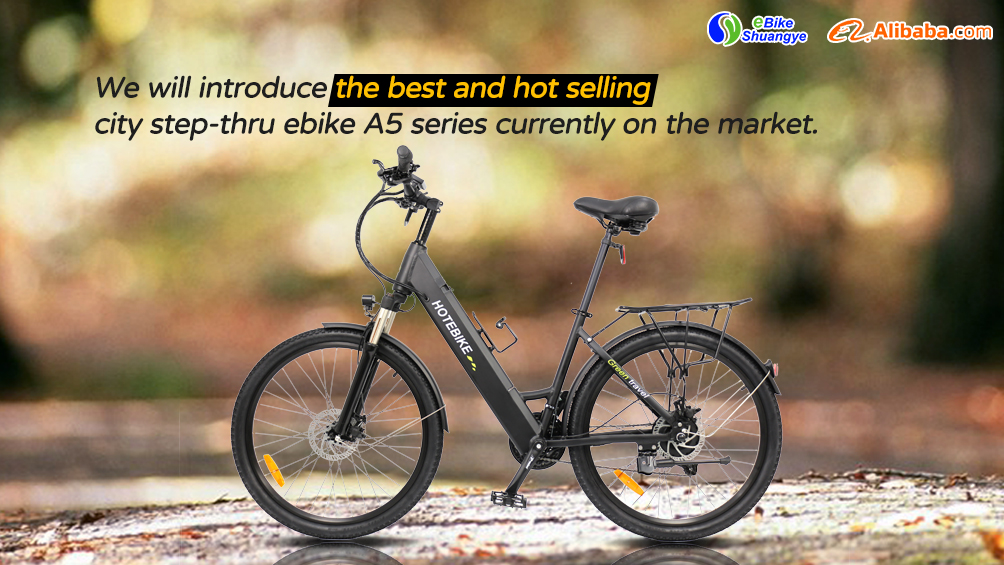 Effort Required to Pedal an E-Bike
When comparing the effort needed to pedal an e-bike versus a traditional bike, the primary difference lies in the presence of the electric assist feature. On a regular bicycle, all the power comes from the rider’s legs, meaning they must generate enough force to overcome resistance from terrain, wind, and gravity. In contrast, e-bikes supplement this effort with electrical power, which drastically reduces the workload on the rider.
For instance, imagine climbing a steep hill on a standard bike. Without any mechanical assistance, the rider would have to exert significant energy to maintain momentum against gravity. However, with an e-bike, the motor kicks in to help propel the bike uphill, allowing the rider to conserve energy and enjoy the ride without excessive fatigue. This makes e-bikes particularly appealing for individuals who may find traditional cycling too strenuous, such as older adults, those recovering from injuries, or people new to cycling.
Moreover, many e-bikes offer adjustable levels of assistance, giving riders the flexibility to customize their experience. For example, if someone wants a more intense workout, they can lower the assistance level, requiring them to pedal harder. Conversely, if they prefer a leisurely ride, they can increase the assistance, letting the motor do most of the work. This adaptability ensures that e-bikes cater to a wide range of users with differing fitness goals and preferences.
Terrain Considerations
Another factor influencing the difficulty of pedaling an e-bike is the terrain being traversed. Flat surfaces generally require minimal effort regardless of the type of bike used. However, challenges arise when navigating hilly or uneven terrains. Here, the advantages of an e-bike become even more pronounced.
On flat ground, both traditional bikes and e-bikes allow for smooth sailing with relatively little resistance. Riders might notice only a slight difference in weight between the two types of bikes since e-bikes typically weigh more due to their batteries and motors. Nevertheless, this extra weight doesn’t significantly impact performance on flat paths because the electric assist compensates for any added burden.
In hilly areas, the disparity becomes clearer. While a conventional cyclist must rely solely on leg strength to conquer inclines, an e-bike rider benefits from the motor’s contribution. As mentioned earlier, the motor provides additional thrust, making it easier to ascend steep grades without becoming overly tired. Additionally, some advanced e-bikes feature sensors that detect changes in gradient and adjust the level of assistance accordingly, ensuring optimal support at all times.
Similarly, rough or off-road terrains present another scenario where e-bikes excel. Mountain biking enthusiasts often face obstacles like rocks, roots, and mud that demand considerable effort to navigate. With an e-mountain bike, riders receive supplementary power to tackle these challenges, enabling smoother rides through demanding environments.
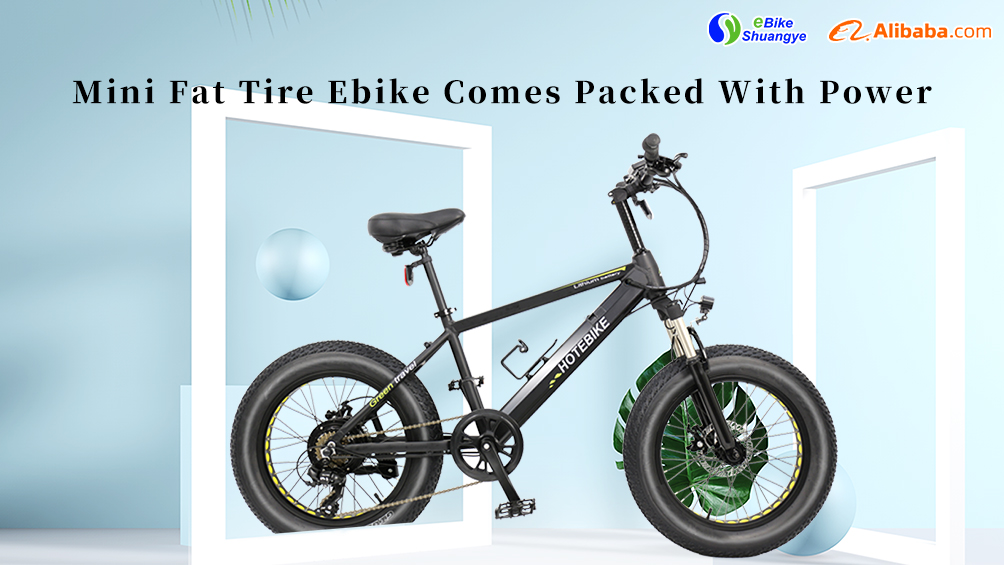 Physical Fitness and Riding Experience
The perceived difficulty of pedaling an e-bike also depends on the rider’s physical condition and familiarity with cycling. Individuals with higher fitness levels might find e-bikes less challenging overall because they already possess the endurance and strength necessary for prolonged rides. On the other hand, beginners or those less accustomed to physical activity could discover that e-bikes serve as excellent entry points into the world of cycling.
E-bikes enable novice cyclists to build confidence gradually by reducing initial hardships associated with learning to ride efficiently. They can focus on mastering balance and coordination without worrying about exhaustion caused by excessive pedaling. Over time, as their skills improve, they can decrease reliance on the motor and challenge themselves further by increasing resistance or opting for manual modes.
Furthermore, e-bikes promote inclusivity within the cycling community by accommodating diverse abilities. People with mobility issues, chronic pain, or temporary impairments can still participate actively in outdoor activities thanks to the supportive nature of e-bikes. By alleviating some of the physical demands traditionally linked to cycling, e-bikes open doors for countless individuals seeking alternative forms of transportation or recreation.
Environmental Factors
Beyond personal capabilities and environmental conditions, external elements such as weather play crucial roles in determining how hard it feels to pedal an e-bike. Wind resistance, for example, affects both types of bikes but tends to be mitigated somewhat by e-bikes’ enhanced propulsion capabilities. Strong headwinds can make pedaling arduous on a standard bike, whereas an e-bike’s motor helps counteract the opposing forces, maintaining steady progress despite adverse weather conditions.
Temperature variations also influence comfort levels during rides. Cold temperatures stiffen muscles and joints, potentially complicating movements on a regular bike. Meanwhile, e-bikes allow riders to stay warm longer by shortening travel times and minimizing exertion. Similarly, hot climates pose dehydration risks; however, the reduced sweating involved in e-bike usage lowers fluid loss rates, keeping riders hydrated better throughout journeys.
Conclusion
To summarize, pedaling an e-bike is generally not harder than pedaling a traditional bike—it’s usually much easier. Thanks to innovative technologies embedded within e-bikes, such as powerful yet efficient motors and customizable assistance settings, they transform what was once labor-intensive into enjoyable experiences accessible to everyone. Whether commuting daily across urban landscapes, exploring scenic trails in nature preserves, or simply enjoying weekend outings with family and friends, e-bikes enhance our lives by simplifying complex tasks while preserving the essence of authentic cycling adventures.
Ultimately, choosing between an e-bike and a regular bike boils down to individual priorities and circumstances. Those valuing convenience, accessibility, and versatility will likely lean toward e-bikes, appreciating their ability to minimize physical strain while maximizing fun. At the same time, purists who cherish raw athleticism might stick with traditional options. Regardless of preference, there’s no denying that e-bikes represent groundbreaking innovations reshaping modern mobility paradigms worldwide.