 Shuangye ebike

Purchasing an electric bike (e-bike) can be a life-changing decision, offering convenience, eco-friendliness, and fun. However, before diving into the world of e-bikes, it’s essential to understand the various factors that can influence your choice and ensure you make the right investment. Below, we will explore in detail what you need to know before buying an electric bike, covering everything from types and features to maintenance, cost, and local regulations.
1. Understand the Different Types of Electric Bikes
Electric bikes come in a variety of styles, each designed for specific purposes. Knowing the type of e-bike that suits your needs is crucial to making an informed purchase.
- Commuter E-Bikes:
- These bikes are ideal for urban commuting. They often feature lightweight frames, slim tires, and fenders or racks for carrying items. Commuter e-bikes prioritize efficiency and speed, with motors capable of reaching speeds up to 20-28 mph (32-45 km/h).
- Considerations: Look for models with comfortable saddles, ergonomic handlebars, and reliable braking systems for safer city riding.
- Mountain E-Bikes (eMTBs):
- Designed for off-road adventures, eMTBs are built with robust frames, fat tires, and advanced suspension systems to handle rugged terrain. They typically have powerful motors and long-lasting batteries to tackle steep inclines and rough trails.
- Considerations: If you plan to ride on challenging terrains, focus on bikes with strong motors (500W-750W), durable components, and all-weather capabilities.
- Fat-Tire E-Bikes:
- Fat-tire e-bikes are perfect for riding on sand, snow, or muddy surfaces. Their wide tires provide excellent traction and stability, making them ideal for beach rides or winter adventures.
- Considerations: Ensure the bike has a sturdy frame and sufficient battery capacity to handle longer rides in demanding conditions.
- Cargo E-Bikes:
- Cargo e-bikes are designed to carry heavy loads, such as groceries, tools, or even children. They often have extended frames, reinforced structures, and powerful motors to accommodate additional weight.
- Considerations: Choose a model with a high load capacity, stable handling, and ample storage options.
- Hybrid E-Bikes:
- Hybrid e-bikes combine features of road and mountain bikes, making them versatile for both city streets and light trails. They offer a balance of speed, comfort, and durability.
- Considerations: Look for bikes with adjustable suspension, comfortable seating, and efficient motors for smooth transitions between terrains.
 2. Consider Your Budget
Electric bikes vary widely in price, ranging from budget-friendly models to high-end performance machines. Understanding your budget is key to finding a bike that meets your needs without breaking the bank.
- Budget-Friendly Options ($500-$1,000):
- These bikes are great for casual riders or those just starting out. They often come with basic features and smaller batteries but still provide reliable performance for short commutes or recreational use.
- Mid-Range Options ($1,000-$2,500):
- Mid-range e-bikes offer better build quality, more powerful motors, and larger batteries. They are suitable for daily commuters, fitness enthusiasts, and occasional trail riders.
- High-End Options ($2,500+):
- High-end e-bikes feature cutting-edge technology, premium materials, and advanced components. These bikes are ideal for serious adventurers, competitive cyclists, or those seeking the ultimate riding experience.
- Additional Costs:
- Don’t forget about additional costs, such as accessories (helmets, lights, locks), maintenance (tire replacements, chain lubrication), and potential battery replacements after several years of use. A new battery can cost anywhere from $500 to $1,000, so factor this into your long-term budget.
3. Motor Power and Battery Capacity
The motor and battery are two of the most important components of an e-bike, directly affecting its performance and range.
- Motor Power:
- Motors range from 250W to 750W or more, depending on the bike’s intended use.
- 250W: Ideal for lightweight commuting and casual riding.
- 350W-500W: Suitable for moderate commuting, light trails, and hilly terrains.
- 750W+: Perfect for heavy-duty tasks, steep climbs, and off-road adventures.
- Ensure the motor’s power aligns with your riding style and local regulations.
- Motors range from 250W to 750W or more, depending on the bike’s intended use.
- Battery Capacity:
- Battery capacity is measured in watt-hours (Wh). The higher the Wh rating, the longer the range.
- 250Wh-350Wh: Suitable for short commutes or casual rides.
- 500Wh-750Wh: Ideal for medium to long-distance rides or hilly terrains.
- 1000Wh+: Best for extended trips, heavy loads, or extreme conditions.
- Consider how far you plan to ride and whether you’ll have access to charging points during your journey.
- Battery capacity is measured in watt-hours (Wh). The higher the Wh rating, the longer the range.
4. Know the Local Regulations
Electric bike regulations vary by country, state, or even city. Familiarizing yourself with these rules ensures compliance and avoids potential fines or restrictions.
- Classification System:
- Many regions classify e-bikes into three categories:
- Class 1: Pedal-assist only, up to 20 mph (32 km/h).
- Class 2: Throttle-on-demand, up to 20 mph (32 km/h).
- Class 3: Pedal-assist up to 28 mph (45 km/h), no throttle.
- Some areas may restrict certain classes from specific paths or roads, so check local ordinances carefully.
- Many regions classify e-bikes into three categories:
- Licensing Requirements:
- In some regions, Class 3 e-bikes or faster models may require helmets, licenses, or registration. Verify these requirements before purchasing.
- Speed Limits:
- Be aware of speed limits in your area, as exceeding them could result in penalties or classification as a motor vehicle.
5. Evaluate Comfort and Ergonomics
Comfort is key to enjoying your e-bike rides, especially if you plan to use it frequently or for long distances.
- Frame Size:
- Ensure the bike’s frame size matches your height and inseam. An improperly sized frame can lead to discomfort, poor handling, and even injury.
- Saddle Quality:
- A comfortable saddle makes a big difference, especially on longer rides. Consider upgrading to a gel or ergonomic saddle if needed.
- Handlebar Position:
- Adjustable handlebars allow for a customized riding position, reducing strain on your back, neck, and wrists.
- Suspension Systems:
- Suspension helps absorb shocks from uneven terrain, improving comfort and control. Decide whether you need front suspension, full suspension, or none at all based on your riding environment.
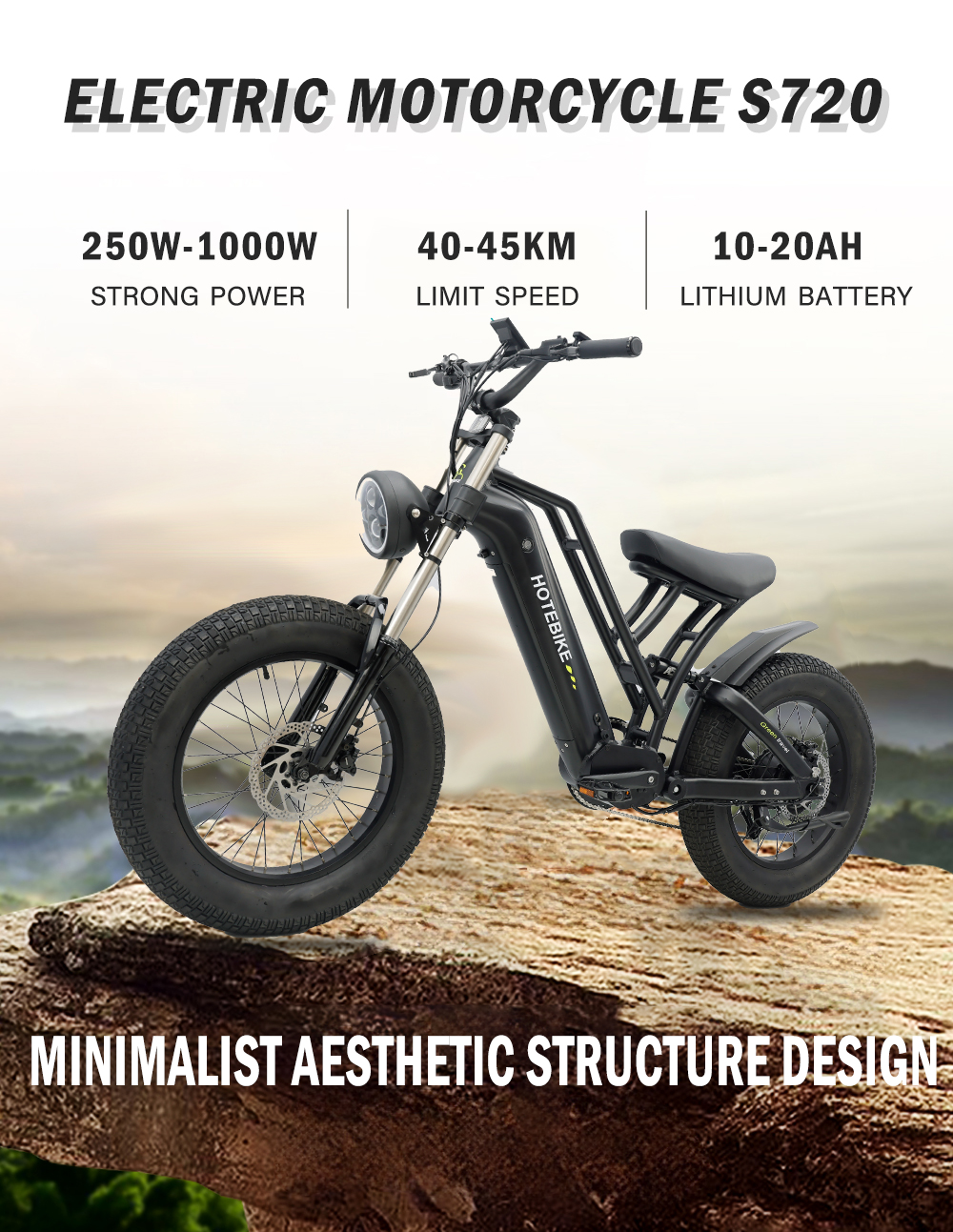
6. Check the Range and Charging Time
Range and charging time are critical factors to consider, especially if you plan to use your e-bike for daily commuting or long-distance adventures.
- Range:
- The range depends on battery capacity, terrain, rider weight, and riding style. Most e-bikes offer ranges between 20-80 miles (32-129 km) per charge, though some high-capacity models can go further.
- Estimate your typical ride distance and choose a bike with a range that exceeds your needs.
- Charging Time:
- Most e-bike batteries take 3-6 hours to fully charge, depending on the charger and battery size. If you frequently ride long distances, consider purchasing a second battery or portable charger for convenience.
7. Assess Safety Features
Safety should always be a top priority when choosing an e-bike.
- Braking Systems:
- Disc brakes are preferred for their superior stopping power, especially on e-bikes with higher speeds or heavier loads.
- Lights and Reflectors:
- Built-in LED lights and reflectors enhance visibility in low-light conditions, ensuring safer night rides.
- Tires:
- Puncture-resistant tires reduce the risk of flats, while knobby tires improve grip on slippery or uneven surfaces.
- Additional Accessories:
- Consider adding mirrors, bells, or horns for increased awareness and communication with other road users.
8. Maintenance and Longevity
Proper maintenance extends the lifespan of your e-bike and ensures optimal performance.
- Regular Checks:
- Inspect the battery, motor, tires, brakes, and chain regularly for signs of wear or damage.
- Cleaning:
- Keep the bike clean, especially after riding in wet or muddy conditions, to prevent rust and corrosion.
- Professional Servicing:
- Schedule periodic professional servicing to address any issues and ensure all components are functioning correctly.
- Battery Care:
- Store the battery in a cool, dry place when not in use and avoid letting it discharge completely. Partially charged batteries last longer.
9. Test Ride Before Buying
Before committing to a purchase, test ride the bike to ensure it meets your expectations.
- Feel the Weight:
- E-bikes can weigh significantly more than traditional bikes due to the battery and motor. Make sure you’re comfortable lifting or maneuvering the bike if necessary.
- Experience the Assist Levels:
- Test different assist levels to find one that suits your riding style and terrain.
- Evaluate Handling:
- Pay attention to how the bike feels during acceleration, braking, and cornering. Smooth and responsive handling is essential for safety and enjoyment.
10. Research Brands and Reviews
Choosing a reputable brand with positive customer reviews increases the likelihood of getting a reliable and durable e-bike.
- Brand Reputation:
- Research brands known for producing high-quality e-bikes, such as RadPower Bikes, Specialized, Trek, or Giant. These companies often offer warranties, customer support, and replacement parts.
- Customer Reviews:
- Read online reviews and watch videos from real users to gain insights into the bike’s performance, durability, and any potential issues.
- Warranty and Support:
- Ensure the bike comes with a comprehensive warranty and that the manufacturer offers good customer support in case of problems.
Conclusion
Buying an electric bike involves careful consideration of several factors, including type, budget, motor power, battery capacity, local regulations, comfort, safety, maintenance, and brand reputation. By taking the time to research and test ride potential options, you can find an e-bike that perfectly suits your needs and enhances your lifestyle. Whether you’re commuting to work, exploring nature, or simply enjoying a leisurely ride, an electric bike can provide countless benefits and unforgettable experiences. With the right knowledge and preparation, your new e-bike will serve you well for years to come.